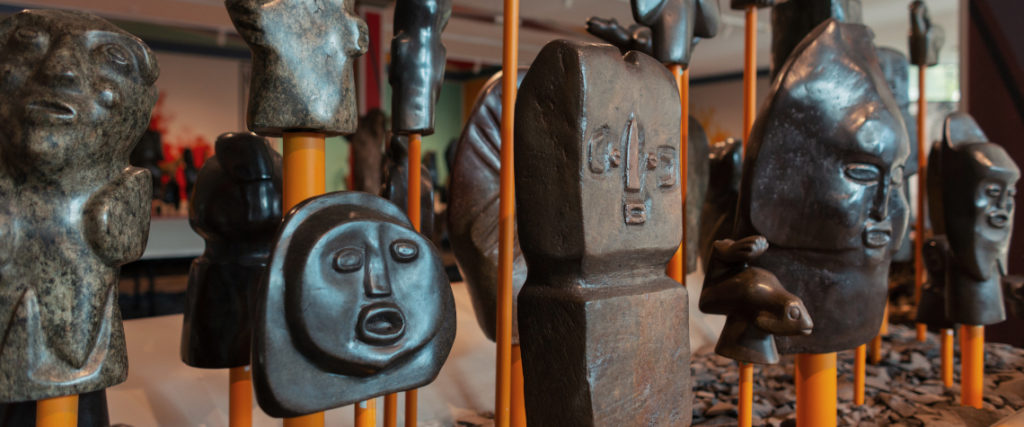
Documenting, Interpreting, and Maintaining Cultural Narratives in the Mission of God
In a rapidly advancing digital world, the preservation of cultural heritage has become a critical concern. The traditions, languages, and stories that define communities are at risk of being lost as societies modernize. Digital visual media offers new and innovative ways to document, interpret, and maintain cultural narratives, ensuring they are not only preserved but also accessible to future generations. Christian believers, made in the image of God as co-creators (Genesis 1:27), have a unique role in this mission. By engaging with digital tools for cultural preservation, they can honor God’s creativity, uphold the dignity of diverse cultures, and contribute to the redemptive work of Christ in the world.
The Role of Digital Visual Arts in Cultural Documentation
Capturing Tradition through Digital Storytelling
Storytelling has long been a central element of cultural preservation. Digital storytelling—using videos, animations, and interactive media—allows cultures to document their traditions in visually engaging ways. Platforms such as YouTube, digital archives, and virtual museums enable communities to share their histories and narratives globally, ensuring that oral traditions and endangered languages remain accessible.
Theological Reflection: The Power of Narrative
Jesus often used parables to communicate truth (Matthew 13:34-35). In the same way, digital storytelling can be a powerful means to convey cultural heritage, transmitting the values, beliefs, and identity of a community. By engaging in this practice, believers participate in God’s mission to bring truth and understanding to all peoples.
Digital Tools and Techniques for Cultural Preservation
Virtual Reality (VR) and Augmented Reality (AR)
VR and AR technologies enable immersive cultural experiences. Museums and historical sites now use these tools to recreate lost or endangered cultural spaces. For example, VR can digitally reconstruct ancient churches, indigenous villages, or historical events, allowing users to engage with these experiences in a dynamic way.
3D Scanning and Digital Archiving
Through 3D scanning, historical artifacts, manuscripts, and architecture can be preserved in high detail. This ensures that even if physical artifacts deteriorate, digital copies remain. Platforms like Google Arts & Culture provide global access to rare and significant cultural items.
Blockchain for Cultural Ownership
Blockchain technology is increasingly used to authenticate and preserve digital cultural records. By securing data on decentralized networks, it ensures that cultural artifacts remain protected from loss or unauthorized alterations.
Digital Media as an Archive for Endangered Languages
Many languages face extinction as globalization accelerates. Digital platforms such as the Wikitongues project or Ethnologue document and preserve languages through recordings, translations, and lexicons. Digital audio and visual recordings allow for accurate linguistic preservation, ensuring that future generations can engage with their cultural linguistic heritage.
The Image of God in Language Preservation
Language is a reflection of the creativity and diversity given by God. The message given in the Bible itself was translated into multiple languages so that all people could understand the Gospel (Acts 2:6-11). Preserving languages through digital media reflects God’s heart for every tongue and nation to be represented in His kingdom (Revelation 7:9). It also enables Christian believers to express the gospel in the heart language of that particular cultural people group.
Ethical and Theological Considerations in Cultural Preservation
Honoring God in Cultural Conservation
Not all cultural traditions align with biblical truth. While some aspects of cultural heritage reflect God’s beauty, creativity, and order, others may be rooted in sin and brokenness. Discernment is needed to recognize which elements of cultural preservation uphold biblical values and which require transformation through Christ.
Evaluating Historical Cultural Artifacts
Biblically, cultures have both redemptive and fallen aspects. For example, artistic expressions that celebrate justice, family, and stewardship reflect God’s nature, while practices rooted in oppression or idolatry require biblical critique. As digital media documents historical cultures, it is important to distinguish between traditions that honor God and those that should be re-evaluated in light of Scripture.
How Christian Believers Can Engage in Culture Care Through Digital Media
In the Workplace
Christians working in media, technology, and the arts can contribute by creating digital content that preserves cultural heritage in ways that glorify God. Whether through filmmaking, digital archiving, or storytelling, they can use their talents to document and protect endangered traditions.
In the Home
Families can engage with cultural preservation by documenting their own heritage through digital photography, video recordings, and written stories. Teaching children about their cultural roots instills a sense of identity while reinforcing biblical values.
In the Community
Believers can support digital preservation projects by volunteering, funding, or contributing content. Many organizations seek contributors for translation projects, digital archiving, and media creation. Engaging in these initiatives helps sustain cultural traditions while demonstrating God’s love for diverse peoples.
Conclusion
Digital visual media provides a vital means for preserving cultural heritage in an era of rapid change. By leveraging innovative technologies, Christians can participate in God’s mission by honoring diverse cultural expressions, preserving language and traditions, and ensuring historical accuracy. As image-bearers of God, culture creators play an essential role in stewarding history, shaping narratives, and bringing glory to the Creator through their artistic and technological contributions.
Sources
- Genesis 1:27
- Matthew 13:34-35
- Acts 2:6-11
- Revelation 7:9
- Google Arts & Culture (https://artsandculture.google.com/)
- Wikitongues (https://wikitongues.org/)
- Ethnologue (https://www.ethnologue.com/)

Dr. Curt Watke is a distinguished missiologist whose three-plus-decade-long career has significantly impacted Christian mission work in North America, particularly in under-reached and challenging regions. Holding a Ph.D. in Evangelism and Missions, Dr. Watke has focused on bridging cultural gaps and fostering sustainable Christian communities by developing innovative strategies that address contemporary challenges like globalization, urbanization, and religious pluralism. His emphasis on cultural sensitivity and contextualization in mission work is reflected in his collaborative writings, including notable works such as “Ministry Context Exploration: Understanding North American Cultures” and “Starting Reproducing Congregations.” Beyond his writing, Dr. Watke is a sought-after speaker and educator, lecturing at seminaries and conferences worldwide, and his teachings continue to inspire and equip new generations of missional leaders. His enduring legacy is marked by unwavering dedication to the mission of God and a profound influence on missional thought and practice. Dr. Watke serves as President and Professor of Evangelism & Missiology at Missional University.