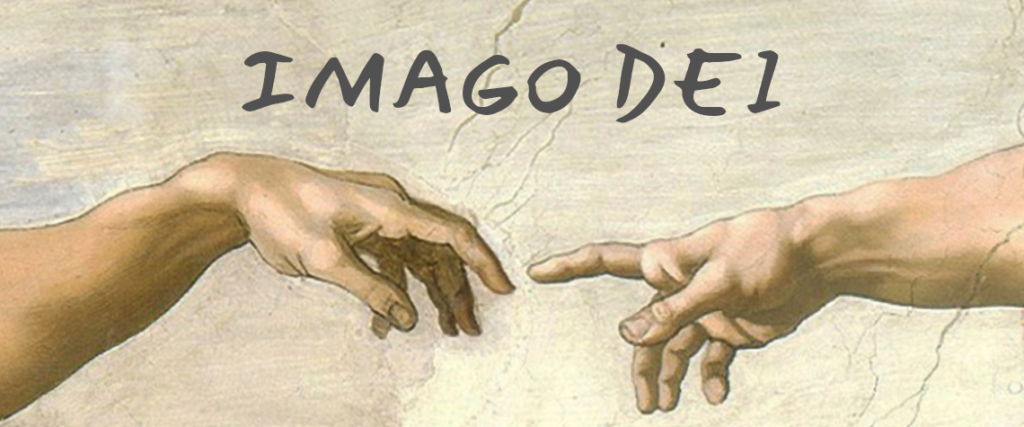
Relating the Image of God to Creative Diversity and the Mission of God
In a world that is increasingly interconnected, the ability to understand and appreciate creative diversity is more important than ever. Cultural differences can often be a source of division, misunderstanding, or conflict. However, when we view these differences through a theological lens, particularly through the doctrine of imago Dei (the Image of God), we gain a transformative perspective that encourages us to see creative diversity as a reflection of God’s creative nature. By exploring the concept of imago Dei, we can not only deepen our appreciation of human creativity but also approach each other with respect, compassion, and humility.
At its core, the imago Dei teaches that all human beings, regardless of their cultural background, are created in the image of God. This fundamental truth has profound implications for how we view other cultures and engage with the world. Rather than seeing creative diversity as a barrier to unity, we are called to embrace it as a sacred expression of God’s creativity. This post explores how a theological understanding of the imago Dei can transform our approach to creative differences, urging us to appreciate the beauty and value of every culture.
The Biblical Foundation of the Imago Dei
The concept of the imago Dei originates in the opening chapters of the Bible. In Genesis 1:26-27, God declares:
“Let us make mankind in our image, in our likeness, so that they may rule over the fish in the sea and the birds in the sky, over the livestock and all the wild animals, and over all the creatures that move along the ground. So God created mankind in his own image, in the image of God he created them; male and female he created them.”
These verses lay the foundation for understanding human identity. To be created in the image of God means that humans are endowed with a unique capacity to reflect God’s nature in the world. This image is not necessarily about external appearance but encompasses our ability to think, create, relate, and exercise stewardship over creation. The imago Dei implies that every human being—regardless of cultural background—reflects the divine image in a distinct and valuable way.
It is important to note that the imago Dei applies universally to all of humanity. Regardless of ethnicity, nationality, or creative expression, every person shares the same divine origin. This foundational truth should shape our interactions with others, especially when encountering cultural differences.
We acknowledge the human dignity in each other because we acknowledge the image of God in each other.
Creative Diversity as a Reflection of God’s Creative Nature
One of the most profound implications of the imago Dei is that creative diversity is not a random byproduct of human history or evolution. Instead, it is a direct reflection of God’s infinite creativity. Just as God created a diverse and beautiful world, so too does humanity express this creativity through culture. From art, music, and language to traditions, customs, and values, creative diversity reflects the ongoing creative activity of God in the world.
In Acts 17:26-27, the Apostle Paul affirms this understanding of cultural diversity when he says:
“From one man he made all the nations, that they should inhabit the whole earth; and he marked out their appointed times in history and the boundaries of their lands. God did this so that they would seek him and perhaps reach out for him and find him, though he is not far from any one of us.“
This passage emphasizes that God is sovereign over the diversity of cultures and nations. He is not only the Creator of all people but has also shaped the history and boundaries of each culture. Far from being a source of division or discord, creative diversity is part of God’s divine design to bring about greater understanding and ultimately, to lead humanity to seek and know Him.
Theological Implications for Understanding Creative Differences
If all people are made in God’s image and creative diversity reflects God’s creative nature, then our approach to cultural differences should be one of respect, humility, and celebration. The doctrine of the imago Dei invites us to view cultural diversity not as a problem to be solved but as a gift to be cherished.
- Creative Diversity as God’s Gift: When we recognize that creative diversity reflects God’s creativity, we begin to see the value in each culture. Every culture has unique expressions of beauty, wisdom, and creativity that can enrich our understanding of the world. Rather than viewing cultural differences as a threat, we can approach them with a sense of wonder and appreciation, recognizing that they reflect the multifaceted nature of God.
- Unity in Diversity: The imago Dei also teaches us that unity does not mean uniformity. Just as the body of Christ is made up of many different members (1 Corinthians 12:12-14), humanity is made up of diverse cultures and expressions that contribute to the richness of the whole. In this sense, creative diversity is a means by which God’s creation is made complete. The diversity of cultures allows for a fuller expression of God’s image in the world.
- Challenging Ethnocentrism: The belief in the imago Dei challenges us to confront our own biases and ethnocentric tendencies. It reminds us that no single culture is inherently superior to another, as all cultures are equally valuable reflections of God’s creativity. This theological understanding should lead us to humility, helping us to engage with others without prejudice or a sense of cultural superiority.
Creative Engagement as a Call to Action
Understanding creative diversity through the lens of the imago Dei is not merely an intellectual exercise. It has practical implications for how we live, work, and interact with others. If we believe that all people are made in God’s image and that creative diversity reflects God’s creative nature, then we are called to engage with cultural differences in ways that honor God and promote human flourishing.
1. Creative Awareness and Respect
One of the most important steps in engaging with creative diversity is cultivating cultural awareness. This involves understanding the values, traditions, and beliefs of different cultures and approaching them with respect. By learning about other cultures, we gain a deeper appreciation for the richness and beauty of human expression.
As part of creative awareness, we also need to learn to see our own culture! This is an aspect that is often forgotten. Culture is invisible, like the air all around us, we need it to survive but we cannot see it. It can be an educational and fun experience to study your own culture. At first, it might feel challenging or cringy, but it will make you more aware of your own cultural blindspots, turning you into a more loving person in the end.
2. Building Bridges of Understanding
Creative engagement also involves building bridges of understanding between different cultural groups. This may involve seeking out opportunities for dialogue, collaboration, and shared experiences. As we engage with others across cultural boundaries, we open ourselves to the possibility of learning from them and expanding our own horizons.
3. Promoting Justice and Equality
The imago Dei calls us to promote justice and equality for all people, regardless of their cultural background. This means advocating for the rights and dignity of individuals from marginalized or oppressed cultures and working toward the elimination of systemic injustice. When we view creative diversity as a reflection of God’s image, we are compelled to work for the flourishing of all people, ensuring that everyone has the opportunity to live with dignity and respect.
How Missional University Can Equip Individuals for Creative Engagement
At Missional University, we are committed to equipping individuals to engage with creative diversity in a way that reflects God’s image and furthers His mission in the world. Our programs are designed to provide students with both theological training and practical tools for engaging with the world’s cultural complexities.
- Theological Foundation: Our curriculum is grounded in a biblical understanding of human identity, culture, and diversity. Students are challenged to explore the imago Dei and how it informs their approach to creative engagement, both in theory and practice. Through courses in Cultural Studies and Moral and Social Theology students gain a deep understanding of the biblical foundations for cultural engagement.
- Intercultural Experiences: Missional University offers opportunities for students to engage with diverse cultures through internships, and community service projects. These hands-on experiences allow students to apply their theological training and creative expressions in real-world settings, building relationships with individuals from different cultural backgrounds and learning to serve with humility and respect.
- Global Perspective: As a global institution, Missional University emphasizes the importance of understanding and engaging with the cultures of the world. Our students are prepared to serve in cross-cultural contexts, whether at home or abroad, and are equipped to be agents of reconciliation, justice, and peace in a fractured world.
- Advocacy and Social Justice: Missional University encourages students to take an active role in advocating for the rights and dignity of people from marginalized cultures. By integrating theology with social justice, students are prepared to address issues such as poverty, migration, and human rights, working toward the flourishing of all people.
Conclusion
Creative diversity is a gift from God, reflecting His infinite creativity and the beauty of His creation. The doctrine of the imago Dei calls us to view cultural differences not as obstacles to unity but as opportunities to appreciate the richness of human experience. By understanding that all people are made in God’s image, we are called to engage with creative diversity in ways that honor God, promote justice, and build bridges of understanding.
At Missional University, we are committed to equipping individuals to engage with the world’s creative diversity in a way that reflects God’s mission of reconciliation and peace. Through theological education, cross-cultural experiences, and a commitment to justice, we help students prepare to serve in an intercultural world and to live out their calling as agents of God’s creative and redemptive work.
For more information on how Missional University can help you engage with creative diversity and make an impact in God’s mission, visit missional.university.
Sources
- Grenz, S.J., 2001. The Social God and the Relational Self: A Trinitarian Theology of the Imago Dei. Westminster John Knox Press.
- Middleton, J.R., 2005. The Liberating Image: The Imago Dei in Genesis 1. Brazos Press.
- Vanhoozer, K.J., 2012. Remythologizing Theology: Divine Action, Passion, and Authorship. Cambridge University Press. (Reprint)
- Smith, G.T., 2016. Human Being and Becoming: Living the Adventure of Life and Faith. Brazos Press.
- Wright, N.T., 2013. Creation, Power and Truth: The Gospel in a World of Cultural Confusion. SPCK.

The Digital Content Writing team crafts compelling and engaging content that connects with audiences across various digital platforms. We are a team of skilled writers, editors, and strategists passionate about storytelling and effective communication. From informative blog posts and thought-provoking articles to persuasive website copy and engaging social media content, together we produce high-quality, SEO-optimized material that is biblically-based, missionally-driven, contextually-informed, and interculturally-focused. We collaborate closely with other teams to understand project goals and target audiences, ensuring that our content aligns with the mission and values of the Missional voice. Our focus is on creating content that not only informs and entertains but also inspires action and builds meaningful connections.