
Interconnected Systems of Care, Compassion and Gospel Witness
The Missio Dei, or the mission of God, is God’s initiative to redeem and restore all creation (humans, the earth, and the cosmos – “the world”) through Jesus Christ (Colossians 1:19-20). As participants in this mission, believers are called to engage a world where religious diversity is increasing and Christianity’s influence is often marginalized. In South Africa, a nation with a rich blend of Christian, Muslim, Hindu, and indigenous religious communities, and globally, where the religiously unaffiliated are also growing, the challenge is to create spaces where spiritual and physical healing and reconciliation can flourish. Redemptive Care, defined as caregiving that participates in God’s redemptive work, offers a pathway to build “ecologies of grace”—interconnected systems of care, compassion, and gospel witness that counter the “ecology of evil” created by sin’s personal, corporate and systemic nature.
The concept of “ecologies of grace”—interconnected networks of healing, reconciliation, and restoration—offers a compelling framework for engaging in redemptive care across religious borderlands. These borderlands exist not just geographically but spiritually, where multiple faith and nonfaith traditions coexist and where growing numbers of individuals identify as “nones” (those with no religious affiliation) or “dones” (those who have left organized religion).
This article explores how redemptive care practitioners are building these grace-filled ecosystems in contexts where Christianity may no longer hold cultural dominance. By understanding the holistic nature of God’s redemptive work and our role within it, believers can participate effectively in the missio Dei—God’s mission to restore all creation through Christ—even in contexts where explicit Christian language may initially be unwelcome.
Understanding Ecologies of Grace
An “ecology of grace” represents a dynamic system of relationships, practices, and spaces where God’s healing and reconciling work can flourish across religious, non-religious and cultural divides. Just as natural ecosystems thrive through diversity and interconnectedness, these spiritual ecosystems create conditions where personal and communal transformation becomes possible through the power of God’s grace.
These ecologies operate on several key principles:
1. Interconnectedness and Mutual Transformation
In an ecology of grace, transformational healing flows in multiple directions. Unlike traditional models of mission that sometimes position Christians as unidirectional providers of help, these ecosystems recognize that transformation occurs reciprocally. As theologian David Bosch observed, “Neither dialogue nor mission is moving along a one-way street; neither is stubbornly dogmatic, bigoted, or manipulative. In both, faith commitment goes hand-in-hand with respect for others. Neither presupposes a “completely open mind”—which, in any case, is an impossibility. In both cases we are witnessing to our deepest convictions whilst listening to those of our neighbors.” (Bosch, 1991, p. 487). When believers enter religious borderlands with genuine openness to learn from others while faithfully embodying Christ’s love, unexpected pathways for the gospel and a gospel-centered witness emerge.
2. Holistic Restoration
Ecologies of grace reject false dichotomies between spiritual and physical healing, between individual salvation and social transformation. They recognize that God’s redemptive work addresses the totality of human brokenness—physical, emotional, spiritual, and relational. This aligns with the biblical vision of shalom—comprehensive well-being and right relationships with God, self, others, and creation.
As an essay on Redemptive Care and the Missio Dei notes: “The Missio Dei concept frames mission not as something the church does as a separate activity, but as participation in God’s ongoing redemptive work” (Watke, 2023) to restore all creation. This redemptive work must address what the essay describes as “the soul’s spiritual anatomy and its profound need for redemption” across all dimensions.
3. Cultural Humility and Contextual Wisdom
Ecologies of grace that work well show cultural humility, understanding that no one cultural form of Christianity fully captures God’s truth. Therefore, sharing the gospel effectively across cultures involves embracing cultural humility—acknowledging the limits of one’s own cultural perspective while staying anchored in biblical truth. This approach upholds biblical truth without compromise, yet it acknowledges that culture deeply influences how spiritual realities are understood and lived out. Different cultures have their own unique concepts and metaphors for grasping spiritual truths, which may differ from Western theological frameworks but still offer valuable insights into the human condition.
The Corporate Nature of Brokenness
To understand why ecologies of grace are necessary, we must first recognize the personal and corporate nature of sin and brokenness. Sin manifests in a vast, interconnected system of corruption that operates at both personal and structural levels. This “confederacy of evil” creates interlocking patterns that resist piecemeal solutions.
In religious borderlands, these corporate dimensions of brokenness become especially evident in:
Systemic Injustice and Historical Wounds
Many religious borderlands stem from histories of conquest, colonization, or cultural domination, fostering deep suspicion toward Christianity when it has been tied to historical oppressive power structures. Historical injustices, colonization, and cultural oppression leave collective spiritual wounds, necessitating Redemptive Care approaches that specifically address and acknowledge this historical context.
In South Africa, for example, the legacy of apartheid created profound barriers between racial and religious communities. Effective redemptive care in this context requires acknowledgment of historical injustices and intentional work toward reconciliation as a prerequisite for gospel witness.
Fragmented Identities and Spiritual Displacement
Modern society increasingly produces individuals with fragmented religious identities—those who borrow elements from multiple traditions or who have experienced spiritual displacement from their heritage faith without finding a meaningful alternative. As philosopher Charles Taylor observes, we live in a “secular age” characterized not by the absence of religion but by the proliferation of spiritual options that individuals feel compelled to choose between (Taylor, 2007).
This spiritual fragmentation creates unique forms of alienation that transcend traditional categories of “believer” and “unbeliever.” Many individuals in religious borderlands carry deep wounds from negative religious experiences while still hungering for authentic spiritual connection.
Commodified Spirituality and Consumerist Distortion
In many contexts, particularly affluent Western societies, spirituality becomes commodified—one more consumer choice in a marketplace of lifestyle options. This consumerist approach to faith creates particular distortions that ecologies of grace must address.
As theologian Vincent Miller notes, consumer culture does not simply encourage people to desire the wrong things; it disorders how they desire (Miller, 2003, p. 107f). This disordering of desire creates particular challenges for gospel proclamation, as the very nature of desire itself becomes colonized by market logic.
Building Ecologies of Grace in Religious Borderlands
Creating life-giving systems in these complex contexts requires intentional practices. Based on successful examples from South Africa and around the world, several key approaches emerge:
1. Creating Third Spaces for Authentic Encounter
Ecologies of grace often begin with the creation of “third spaces”—neutral environments where people from different faith/non-faith backgrounds can interact authentically without pressure or agenda. These might include community gardens, art cooperatives, peace-building initiatives, or dialogue groups addressing shared social concerns.
In Cape Town, South Africa, the Warehouse Trust has created such spaces where Christians collaborate with Muslims, secularists, and traditional African spirituality practitioners on issues of common concern like economic justice and environmental sustainability. These collaborative environments allow relationships to develop organically while demonstrating Christian love in action.
Importantly, these spaces aren’t designed merely as strategic “pre-evangelism” but as genuine expressions of God’s concern for human flourishing. These spaces become transparent windows through which others can glimpse the kingdom of God, introducing them to a God who loves them and is concerned for their personal and collective well-being both now and in eternity.
2. Practicing Redemptive Storytelling and Listening
Ecologies of grace prioritize the sharing and hearing of stories as pathways to healing. By creating contexts where personal narratives—especially stories of suffering, resilience, and hope—can be shared and received with respect, redemptive care practitioners help overcome the dehumanization that often occurs across religious divides.
The Truth and Reconciliation Commission in post-apartheid South Africa demonstrated the power of storytelling for communal healing. Though not explicitly Christian in its structure, many Christian leaders played key roles in creating space for traumatic stories to be told and heard as a first step toward reconciliation. Thus, in the Belhar Confession of the Dutch Reformed Church, they called upon the church to demonstrate reconciliation because “God has entrusted to his Church the message of reconciliation in and through Jesus Christ; that the Church is called to be the salt of the earth and the light of the world that the Church is called blessed because it is a peacemaker, that the Church is witness both by word and by deed to the new heaven and the new earth in which righteousness dwells.” (The Belhar Confession, 1986, translation of the original Afrikaans text as adopted by the Synod of the Dutch Reformed Mission Church in South Africa
Redemptive storytelling requires both courage and patience. It means creating safe spaces for honest expression of pain while also gently inviting new interpretations of suffering in light of God’s larger redemptive narrative. Thus, redemptive care addresses the core identity distortions caused by sin, reestablishing identity in Christ as the foundation for healing.
3. Practicing Holistic Care for Fragmented Souls
Individuals in religious borderlands often carry complex forms of brokenness that require holistic approaches to care. Effective practitioners recognize that helping someone find healing for a traumatic religious experience may be a necessary step before they can meaningfully engage with the gospel of Christ.
This holistic approach reflects Jesus’s own ministry, which frequently addressed physical and social needs as integral to spiritual restoration. Both concepts [redemptive care and the Missio Dei] emphasize comprehensive restoration—addressing physical, emotional, spiritual, and social dimensions rather than focusing on a single aspect of human need.
In South Africa’s townships, community health workers trained in basic mental health support often provide critical care for individuals suffering from various traumas. When these workers operate from a Christian framework—even if not explicitly evangelistic in every interaction—they participate in God’s redemptive work by addressing suffering holistically and proclaiming the truth of the gospel through their actions.
4. Confronting Systemic Evil Through Collaborative Action
Ecologies of grace recognize that personal transformation is inseparable from addressing systemic injustice. By building coalitions across religious lines to confront shared concerns—poverty, environmental degradation, human trafficking, etc.—Christians demonstrate the comprehensive scope of God’s redemptive concern.
Redemptive care addresses not just personal moral failures but systems of injustice that embody collective patterns of sin—recognizing that redemption must engage both individual hearts and corporate structures.
In Durban, South Africa, interfaith coalitions addressing economic inequality have created opportunities for Christians to demonstrate distinctive motivations for justice work while building relationships that sometimes lead to deeper spiritual conversations. These collaborations don’t dilute Christian conviction but provide concrete demonstrations of how the gospel addresses both personal and structural dimensions of brokenness.
The Essential Role of Gospel Proclamation
While building these ecologies of grace involves many practical expressions of care and collaboration, verbal proclamation of the gospel remains essential. Within the comprehensive framework of Redemptive Care, verbal gospel proclamation becomes not just an additional element but the essential core of redemptive care across all cultural contexts.
This proclamation takes distinctive forms in religious borderlands:
1. Incarnational Witness Through Authentic Presence
In contexts where traditional evangelistic approaches may create immediate barriers, the first form of proclamation often comes through sustained, authentic presence. By entering others’ worlds with genuine care and interest—mirroring Christ’s incarnational approach—believers embody the gospel before explaining it verbally.
This presence-based witness creates the relational foundation necessary for meaningful gospel conversations. When people experience genuine soul care, they often become more receptive to hearing about the source of that redemptive work in Christ.
2. Contextual Communication of Biblical Truth
When verbal opportunities arise, effective proclamation in religious borderlands requires careful attention to context. This doesn’t mean changing the gospel’s content or message but finding appropriate cultural entry points and language.
Thus “worldview translation” is necessary. Effective gospel proclamation requires ‘translating’ biblical truth into categories that engage and challenge the core assumptions of different worldviews, as Paul demonstrated at Athens (Acts 17).
In South Africa, effective communicators have found ways to connect the gospel to indigenous concepts like ubuntu (communal interconnectedness) while also challenging aspects of traditional worldviews that contradict biblical truth. This demonstrates what could be called “contextual without compromise” communication—maintaining the universal need for salvation through Christ while acknowledging diverse paths to understanding this need.
3. Testimonial Witness to Transformation
Perhaps the most powerful form of proclamation in religious borderlands comes through personal testimony—honest stories of how Christ has brought healing and transformation in the speaker’s own life. Unlike abstract theological arguments, these narrative testimonies demonstrate the gospel’s power in ways that connect with listeners’ own experiences of brokenness and longing.
The soul’s condition is not one of minor impairment but total fallenness requiring comprehensive redemption that only Christ can provide” (Colossians 1:13-14). Personal testimonies make this theological truth concrete and accessible by showing its transformative power in a real person’s life.
4. Communal Demonstration of the Gospel’s Power
Ultimately, one of the most compelling forms of gospel proclamation in religious borderlands comes through the visible testimony of transformed communities. When diverse believers form authentic intercultural communities that embody alternative economic, political, and social practices that visibly contrast with surrounding cultures, they provide powerful evidence of the gospel’s transformative power. The formation of authentic intercultural communities of faith that transcend ethnocentrism while valuing cultural diversity becomes a powerful testimony to the redemptive power of the gospel.
Practical Applications for Building Ecologies of Grace
For those seeking to participate in creating these life-giving systems in post-Christian or pluralistic contexts, several practical approaches show promise:
1. Develop Cultural Intelligence and Interfaith/Nonfaith Literacy
Effective engagement in religious and nonreligious borderlands requires understanding the belief systems and cultural contexts of those you hope to reach. This means committing to ongoing learning about diverse religions and worldviews while developing skills for respectful dialogue across differences.
Effective redemptive care requires ‘reading’ cultures with the same careful attention given to Scripture—discerning cultural values, narratives, and practices to identify both points of connection and contradiction with biblical truth.
2. Build Collaborative Networks Across Traditional Boundaries
Rather than working in isolation, seek partnerships with others committed to human flourishing—including those from different faith traditions. Find common causes where collaboration is possible while maintaining clarity about your distinctive Christian motivations.
3. Invest in Long-Term Presence and Relationships
Ecologies of grace develop slowly through sustained presence. This means committing to particular places and communities for the long haul, building trust through consistent engagement rather than short-term projects or interventions.
4. Create Spaces for Redemptive Dialogue
Intentionally create hospitable environments where difficult conversations about faith, meaning, and identity can happen with respect and openness. Practice asking good questions and listening deeply before speaking.
5. Model Authentic Christian Community
Form intentional communities of faith that demonstrate the gospel’s power to reconcile differences and create new forms of belonging. These communities should embody Christ’s welcome of the stranger while maintaining clear commitment to biblical truth.
6. Prepare for Spiritual Warfare
Confronting confederacies of sin ultimately requires spiritual warfare—recognizing that human systems of evil are sustained and empowered by spiritual forces that must be engaged through prayer, fasting, and spiritual disciplines.
This spiritual dimension requires communities committed to intercession, discernment, and spiritual resistance to the powers that maintain systems of brokenness.
Conclusion: Participating in God’s Redeeming Work
The growing religious and ideological plurality of our world presents not just challenges but unprecedented opportunities for redemptive engagement. By creating ecologies of grace in religious borderlands, believers participate in God’s comprehensive work of restoration through Christ.
These grace-filled ecosystems don’t replace clear proclamation of the gospel but create contexts where that proclamation becomes both intelligible and credible. As interconnected networks of healing develop across religious and non-religious divides, they create pathways for God’s transforming work in individual lives, communities, and entire systems.
The ultimate goal remains the formation of disciples from every nation, tribe, people and language who worship before the throne of God (Revelation 7:9) and collectively embody the comprehensive redemption that Christ’s work makes possible.
This vision calls us to faithful, creative engagement in the complex spiritual landscapes of our time—building ecologies of grace where God’s healing can flow across all boundaries, bringing restoration to a broken world through the transformative power of Jesus Christ.
Sources
Bosch, D. J. (1991). Transforming Mission: Paradigm Shifts in Theology of Mission. Orbis Books.
Clapp, R., ed. (1998). The Consuming Passion: Christianity & the Consumer Culture. IVP Books.
Frost, M. (2006). Exiles: Living Missionally in a Post-Christian Culture. Baker Books.
Kearney, P. (2021). Intercultural Theology and Mission in Transforming Contexts. SPCK.
Lausanne Movement. (2011). Cape Town Commitment: A Confession of Faith and a Call to Action. Lausanne Movement.
Miller, V. J. (2003). Consuming Religion: Christian Faith and Practice in a Consumer Culture. Continuum.
Newbigin, L. (1989). The Gospel in a Pluralist Society. Eerdmans.
Taylor, C. (2007). A Secular Age. Harvard University Press.
Volf, M. (1996). Exclusion and Embrace: A Theological Exploration of Identity, Otherness, and Reconciliation. Abingdon Press.
Watke, C. (2023). Redemptive Care and the Missio Dei: An Intercultural Framework. Missional University.
Wright, C. J. H. (2006). The Mission of God: Unlocking the Bible’s Grand Narrative. IVP Academic.
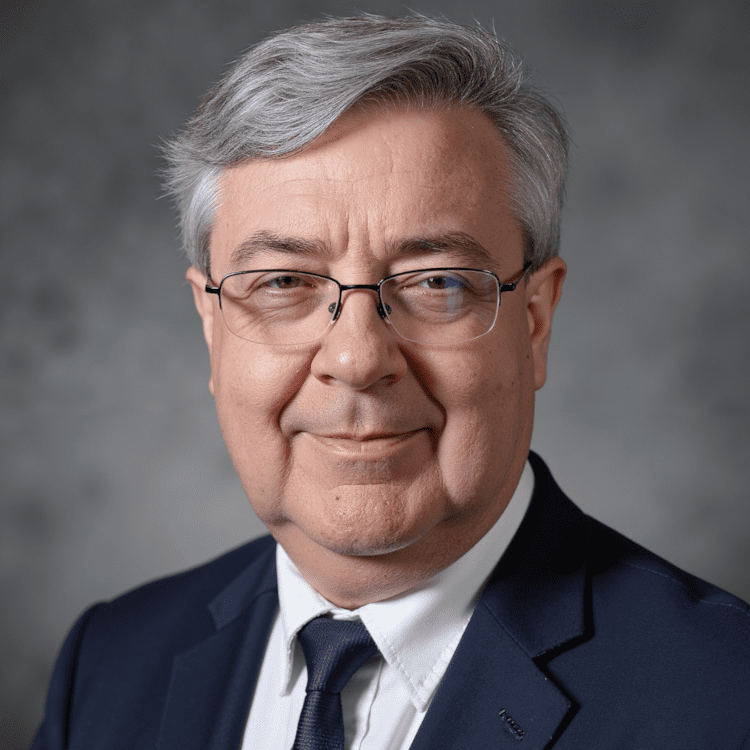
Dr. Curt Watke is a distinguished missiologist whose three-plus-decade-long career has significantly impacted Christian mission work in North America, particularly in under-reached and challenging regions. Holding a Ph.D. in Evangelism and Missions, Dr. Watke has focused on bridging cultural gaps and fostering sustainable Christian communities by developing innovative strategies that address contemporary challenges like globalization, urbanization, and religious pluralism. His emphasis on cultural sensitivity and contextualization in mission work is reflected in his collaborative writings, including notable works such as “Ministry Context Exploration: Understanding North American Cultures” and “Starting Reproducing Congregations.” Beyond his writing, Dr. Watke is a sought-after speaker and educator, lecturing at seminaries and conferences worldwide, and his teachings continue to inspire and equip new generations of missional leaders. His enduring legacy is marked by unwavering dedication to the mission of God and a profound influence on missional thought and practice. Dr. Watke serves as President and Professor of Evangelism & Missiology at Missional University.