Embodying Word and Deed in the Missio Dei
A post-truth world prioritizes emotions and subjective narratives over objective facts, creating a cultural landscape where truth is malleable and trust in institutions—religious or otherwise—is eroded. Oxford Dictionaries named “post-truth” the word of the year in 2016, reflecting its influence during events like Brexit and the U.S. presidential election. This environment breeds skepticism, polarization, and misinformation, making authentic witness challenging yet urgent. For “nones” (those with no religious affiliation) and “dones” (former believers disillusioned with organized religion), the post-truth world amplifies critiques of hypocrisy, irrelevance, or authoritarianism in religious institutions. Engaging these groups requires extraordinary integrity, as their skepticism demands a faith that is not only proclaimed but visibly lived out.
The biblical call to truth remains unwavering. Jesus declared, “I am the way, the truth, and the life” (John 14:6), positioning Himself as the ultimate standard of truth. In a post-truth context, believers must embody this truth through actions that align with their words, countering the perception that faith is merely rhetoric. Redemptive Care, as a participation in the mission of God (missio Dei), offers a pathway to address these challenges by integrating compassionate service with clear gospel proclamation, creating a credible witness that resonates in skeptical environments.
Redemptive Care: A Holistic Approach to the Missio Dei
Redemptive Care is the practice of caregiving that participates in God’s redemptive work, addressing the whole person—physical, emotional, social, and spiritual. It rejects false dichotomies between meeting tangible needs and sharing the gospel, recognizing that both are essential to God’s mission (missio Dei) to redeem and restore all creation. As I shared in a recent article, Redemptive Care views acts of care as transformative, contributing to the healing of individuals and communities while pointing to eternal reconciliation with God through Christ.
This approach is deeply rooted in the life of Jesus, whose ministry seamlessly integrated word and deed revelation. His teachings, such as the Sermon on the Mount (Matthew 5–7), proclaimed God’s kingdom, while His actions— healing the sick (John 9), feeding the hungry (Mark 6:30–44), and embracing outcasts (Luke 15:1–2)—demonstrated its reality. Jesus’ crucifixion and resurrection, the ultimate deeds of redemption, fulfilled His prophetic words (Mark 8:31), revealing God’s love and victory over sin. For believers, Redemptive Care mirrors this unity, combining compassionate action with verbal gospel proclamation to participate in the missio Dei.
The Spiritual Need for Redemption
The human soul, bearing God’s image yet marred by sin (Genesis 1:27; Romans 3:23), exists in a state of profound brokenness. This spiritual anatomy—marked by a corrupted will, disordered desires, darkened understanding, and fractured relationships—requires comprehensive redemption that only Christ can provide (Colossians 1:13–14). In a post-truth world, where emotions and narratives often obscure truth, the soul’s need for divine intervention is even more acute. Skeptics may reject institutional religion, but their hunger for meaning, identity, and connection persists, often masked by cultural narratives or personal disillusionment.
Redemptive Care addresses this need by engaging the soul holistically. Acts of care—providing food, offering friendship, or advocating for justice—meet tangible needs while creating opportunities to share the gospel, which addresses the soul’s deepest need: reconciliation with God. As Paul asks, “How can they believe in the one of whom they have not heard?” (Romans 10:14). Verbal proclamation is the catalyst for true transformation, articulating the hope of Christ’s redemptive work in a way that deeds alone cannot convey.
Navigating the Post-Truth Landscape
The post-truth world presents unique challenges for gospel witness. The erosion of trust in institutions, including religious ones, means that “nones” and “dones” are wary of proclamations that lack authenticity. Misinformation and polarized narratives further complicate communication, as competing “truths” vie for attention. Yet, these challenges also present opportunities. The skepticism of the post-truth era demands a faith that is transparent, relational, and embodied—qualities central to Redemptive Care.
For example, the “nones” often value personal experience over doctrinal claims, seeking authenticity in a world of spin. Redemptive Care responds by building genuine relationships, where acts of service demonstrate Christ’s love before words are spoken. Similarly, “dones” may have left religious communities due to perceived hypocrisy or irrelevance. By living out the gospel through consistent, compassionate action, believers can rebuild trust, creating space for meaningful conversations about faith. This approach aligns with 1 Thessalonians 2:8, where Paul writes, “We loved you so much that we were delighted to share with you not only the gospel of God but our lives as well.”
Word and Deed: The Incarnational Witness
The integration of word and deed is not merely strategic but incarnational, reflecting the missio Dei as revealed in Christ. John 1:14 declares, “The Word became flesh and made his dwelling among us,” emphasizing that Jesus embodied God’s truth in human form. His words interpreted His deeds, and His deeds authenticated His words. For instance, when healing a paralytic, Jesus first forgave his sins (word) and then restored his body (deed) to prove His authority (Mark 2:1–12). This unity invites believers to emulate Christ’s example, proclaiming the gospel while living it out through tangible acts of love.
In a post-truth world, this incarnational witness is critical. Words alone risk being dismissed as empty rhetoric, while deeds alone may lack eternal significance without the gospel’s context. Redemptive Care bridges this gap, ensuring that compassionate action and verbal proclamation work in concert. For example, providing meals for the homeless demonstrates God’s love, but sharing the message of Christ’s salvation offers hope beyond temporal relief. This holistic approach fosters credibility, as actions lend weight to words, and words give meaning to actions.
Cultural Engagement and Interculturality
The missio Dei is inherently intercultural, embracing the diversity of all nations (Revelation 7:9–10). In a post-truth world, cultural contexts shape how truth is perceived and received. Redemptive Care requires cultural exegesis—discerning cultural values, narratives, and resistance points to communicate the gospel effectively. As Missional University’s Department of Cultural Studies emphasizes, understanding cultural frameworks is essential for “translating” the gospel into terms that resonate with diverse audiences.
For instance, shame-based cultures may experience spiritual brokenness as a loss of honor, while guilt-based cultures focus on moral failure. Redemptive Care adapts its approach, using culturally relevant metaphors to convey Christ’s redemption. At Pentecost (Acts 2), the Holy Spirit enabled the gospel to be proclaimed in every language, affirming cultural diversity while uniting believers in truth. Similarly, believers today must engage with cultural humility, affirming what aligns with God’s truth while prophetically challenging what contradicts it.
Interculturality also involves mutual transformation. As I have noted previously, authentic Redemptive Care allows both the caregiver and recipient to be changed through encounter, reflecting Christ’s kenotic humility (Philippians 2:7). This dynamic exchange counters cultural imperialism, ensuring that the gospel is not imposed but incarnated within cultural contexts, fostering authentic faith expressions.
Confronting Corporate Sin
Sin is not merely individual but corporate, forming what evangelical theologians call a “confederacy of evil” that operates through systems, structures, and cultural patterns. In a post-truth world, corporate sin manifests in misinformation, systemic injustice, and cultural idols like power or pleasure. Redemptive Care addresses these realities by discerning systemic patterns, advocating for justice, and forming countercultural communities that embody God’s kingdom values.
For example, addressing poverty requires not only feeding the hungry but also challenging economic systems that perpetuate inequality. Proverbs 31:8 urges believers to “speak up for those who cannot speak for themselves,” a mandate that extends to systemic advocacy. Verbal gospel proclamation plays a critical role here, declaring Christ’s lordship over all systems (Colossians 1:16–17) and calling for repentance from collective idolatry. By integrating word and deed, Redemptive Care dismantles the “ecology of evil” and instead cultivates “ecologies of grace” that reflect God’s redemptive intent.
The Necessity of Gospel Proclamation
While Redemptive Care addresses holistic needs, verbal gospel proclamation remains the catalyst for true transformation. The gospel’s message—that salvation comes through faith in Christ alone (Ephesians 2:8–9)—cannot be fully conveyed through actions alone. As Romans 10:17 states, “Faith comes from hearing the message, and the message is heard through the word about Christ.” In a post-truth world, where competing narratives obscure truth, the clear articulation of the gospel cuts through confusion, offering hope and clarity.
This proclamation must be culturally sensitive yet uncompromising. Paul’s approach in Athens (Acts 17) demonstrates worldview translation, engaging cultural assumptions while pointing to Christ. Redemptive Care creates the relational context for such proclamation, as acts of service build trust and open hearts. For “nones” and “dones,” who may distrust religious language, sharing personal stories of transformation can make the gospel relatable, while consistent actions lend credibility to the message.
Practical Applications for Everyday Living
Individuals participating in the missio Dei through Redemptive Care can adopt several practical strategies:
- Build Authentic Relationships: Engage “nones” and “dones” with genuine friendship, listening to their critiques and sharing life as Paul did (1 Thessalonians 2:8).
- Serve with Intention: Meet tangible needs—food, shelter, companionship—while prayerfully seeking opportunities to share the gospel’s hope.
- Practice Cultural Humility: Learn about cultural contexts, adapting communication to resonate with diverse worldviews without compromising biblical truth.
- Advocate for Justice: Address systemic issues like poverty or discrimination, reflecting God’s heart for justice (Micah 6:8).
- Live Transparently: Embody integrity, ensuring that actions align with words to counter post-truth skepticism.
- Engage in Spiritual Disciplines: Rely on prayer, fasting, and Scripture to confront spiritual forces behind corporate sin (Ephesians 6:12).
These practices, rooted in the missio Dei, enable believers to embody Christ’s love while proclaiming His truth, fostering transformation in individuals and communities.
The Eternal Perspective
Redemptive Care maintains an eternal perspective, recognizing that while temporal needs matter, the soul’s ultimate need is reconciliation with God. In a post-truth world, where fleeting narratives dominate, the gospel offers an unchanging truth: Christ’s redemptive work brings comprehensive deliverance (2 Corinthians 5:17). This hope transcends cultural and temporal boundaries, uniting believers in the vision of Revelation 7:9–10, where every nation worships before God’s throne.
By integrating word and deed, Redemptive Care participates in this eternal mission, addressing immediate needs while pointing to eternal salvation. For “nones” and “dones,” this holistic witness offers a credible alternative to skepticism, inviting them into God’s redemptive story.
Conclusion
In a post-truth world, Redemptive Care equips believers to engage the missio Dei with integrity and impact. By uniting verbal gospel proclamation with authentic, compassionate action, individuals can address the spiritual and cultural complexities of engaging “nones” and “dones.” This incarnational witness, rooted in Christ’s word and deed revelation, fosters credibility, builds relational bridges, and proclaims the gospel as the catalyst for transformation. As believers embody God’s truth and love, they participate in the missio Dei, bringing hope to a skeptical world and advancing God’s redemptive mission until Christ returns.
Sources
- Glenn, Mike. Preaching in a Post-Truth World: Recentering the Pulpit in a Chaotic World. B&H Books, 2025.
- Goheen, Michael W. A Light to the Nations: The Missional Church and the Biblical Story. Baker Academic, 2011.
- Keller, Timothy. Serving a Movement: A Holistic Approach to Ministry. Zondervan, 2016.
- Long, D. Stephen. Truth Telling in a Post-Truth World. Wesley’s Foundery Books, 2019.
- Missional University. “Mission, Vision & Core Values.” missional.university.
- “Post-truth.” Oxford Dictionaries, 2016.
- The Holy Bible, New International Version.
- Watke, Curt. “Redemptive Care and the Missio Dei: An Intercultural Framework.” Missional University.
- Wilbur, Ken. A Post-Truth World: Politics, Polarization, and a Vision for Transcending the Chaos. Shambhala, 2024.
- Wright, Christopher J.H. The Mission of God: Unlocking the Bible’s Grand Narrative. InterVarsity Press, 2006.
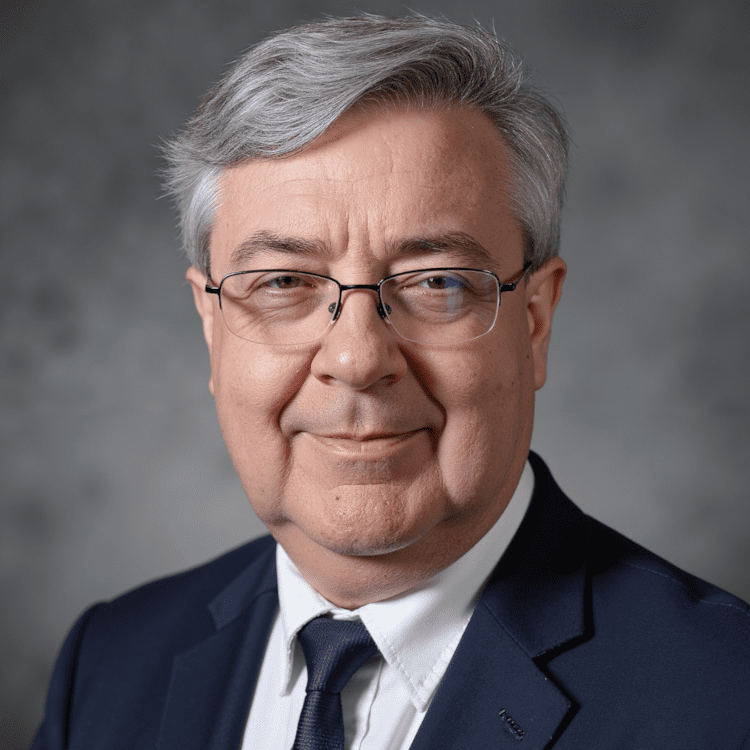
Dr. Curt Watke is a distinguished missiologist whose three-plus-decade-long career has significantly impacted Christian mission work in North America, particularly in under-reached and challenging regions. Holding a Ph.D. in Evangelism and Missions, Dr. Watke has focused on bridging cultural gaps and fostering sustainable Christian communities by developing innovative strategies that address contemporary challenges like globalization, urbanization, and religious pluralism. His emphasis on cultural sensitivity and contextualization in mission work is reflected in his collaborative writings, including notable works such as “Ministry Context Exploration: Understanding North American Cultures” and “Starting Reproducing Congregations.” Beyond his writing, Dr. Watke is a sought-after speaker and educator, lecturing at seminaries and conferences worldwide, and his teachings continue to inspire and equip new generations of missional leaders. His enduring legacy is marked by unwavering dedication to the mission of God and a profound influence on missional thought and practice. Dr. Watke serves as President and Professor of Evangelism & Missiology at Missional University.