Relating the Sacred Act of Culture Care to the Mission of God
The creative spirit is one of God’s most profound gifts to humanity, a reflection of His divine nature that empowers us to engage with the world in deeply meaningful ways. This creative impulse connects us directly to our Creator, establishing a sacred bond between human expression and the creative nature of God. From visual arts and music to literature and digital media, creative expression holds the power to transcend mere aesthetic value, becoming a sacred act of cultural stewardship and theological practice. Creative works speak to our hearts in ways that rational discourse often cannot, touching the deepest parts of our humanity and opening us to the Holy Spirit’s spiritual work within us. Let’s explore how Christian believers can harness their God-given creativity to embody God’s mission in the world, interpret cultural complexity with wisdom and grace, and preserve cultural heritage for future generations—all while honoring the divine imagination that first breathed life into creation. By understanding creativity as a spiritual discipline, we open ourselves to becoming more effective witnesses to God’s transformative work in our communities and beyond.
The Theology of Creativity: Reflecting the Creator’s Image
Genesis 1:27 declares, “So God created mankind in his own image, in the image of God he created them; male and female he created them.” This foundational truth reveals that every human being carries the imprint of a Creator God. The act of creating—whether through art, music, writing, or other forms—is a reflection of God’s image within us. Creativity is not merely a human endeavor; it is a theological practice that mirrors the divine.
In creating, God brought order to chaos, beauty from formlessness, and meaning from void. Similarly, human creativity can serve as a tool to address disorder, bring beauty into dark spaces, and offer hope to the broken. By participating in the act of creating, individuals engage with God’s redemptive work, bridging the gap between the seen and unseen, the earthly and the divine. This participation is not just an artistic pursuit but a missional calling—one that aligns with God’s ultimate work of restoration and renewal.
Art as Cultural Interpretation and Preservation
Understanding Cultural Complexity
Cultural stewardship requires a deep engagement with the complexities of human expression. In Acts 17, Paul provides a model for this kind of engagement when he addresses the Athenians. He does not dismiss their cultural artifacts but instead interprets them in light of Christ, using their own religious symbols as a bridge to the Gospel. Similarly, creative expressions can be used to engage with culture in ways that illuminate spiritual truths, fostering dialogue and understanding across different communities.
This approach exemplifies what missiologists call “contextual theology”—the practice of articulating Christian truth in ways that resonate within specific cultural frameworks. Paul’s method at the Areopagus demonstrates remarkable cultural intelligence; he observed the Athenians’ religious practices carefully, noting their altar “to an unknown god” and quoting their own poets. Rather than condemning their philosophical traditions outright, he identified points of connection between their worldview and the Gospel message. This approach requires humility, curiosity, and deep listening—virtues essential for effective cultural stewardship.
Today’s creative practitioners face similarly complex cultural landscapes. In pluralistic societies where multiple worldviews coexist and often compete, Christian artists, writers, and media creators must develop the discernment to recognize both the beauty and brokenness within cultural expressions. This requires what theologian Richard Mouw calls “holy worldliness”—an engaged presence in culture that neither withdraws in fear nor assimilates uncritically. By creating works that thoughtfully interact with contemporary questions, concerns, and aesthetic sensibilities, believers can establish meaningful connections with audiences who might otherwise dismiss religious perspectives.
The complexity of cultural engagement extends beyond intellectual understanding to emotional and spiritual dimensions. Different cultural traditions express human experiences—grief, joy, belonging, alienation—through distinctive symbolic languages. The culturally sensitive creator takes time to understand these languages before attempting to speak through them. For example, a filmmaker working across cultural boundaries must grasp not just the surface elements of visual storytelling in that context but the deeper meanings those elements carry for local audiences. This depth of engagement honors the integrity of cultural traditions while creating space for transformative dialogue.
Ultimately, meaningful cultural stewardship rejects both cultural imperialism (imposing one’s cultural forms as superior) and relativism (accepting all cultural expressions as equally valid). Instead, it pursues a nuanced middle path—one that affirms the universal truths of the Gospel while celebrating their particular embodiment in diverse cultural contexts. By following Paul’s example, today’s creative practitioners can develop work that respects cultural complexity while faithfully witnessing to Christ’s transformative presence in every human context.
Preserving Cultural Heritage
Art also plays a vital role in preserving cultural heritage. For example, indigenous Christian artists often incorporate traditional motifs into their work, creating pieces that honor both their faith and cultural identity. This fusion serves as a reminder that the Gospel transcends cultural boundaries, celebrating diversity within God’s kingdom. As individuals steward their creative gifts, they contribute to a richer, more inclusive narrative of God’s work in the world.
Cultural preservation is not merely about maintaining traditions—it is about bearing witness to the way God has been at work in different peoples and places throughout history. Through storytelling, visual art, music, and literature, believers can document and celebrate the ways God’s grace has been revealed in diverse cultural contexts, ensuring that these testimonies are passed down to future generations.
Creativity as a Sacred Act of Worship
Transforming Everyday Creativity
Psalm 96:1 exhorts us to “Sing to the Lord a new song; sing to the Lord, all the earth.” This call to worship extends beyond singing to encompass all forms of creative expression. Whether painting, sculpting, composing, or designing, creativity can be an act of worship that glorifies God and draws others closer to Him.
Many people assume that creativity is reserved for artists or professionals, but this couldn’t be further from the truth. Everyday acts of creativity—writing a heartfelt letter, cooking a meal, designing a workspace—can also serve as sacred offerings. When approached with intention and prayer, these actions become opportunities to reflect God’s love and beauty in ordinary moments.
Media as a Tool for Worship
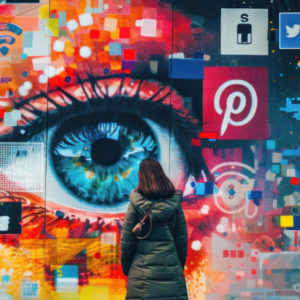
In the digital age, media has become an extraordinarily powerful tool for worship and spiritual engagement, transforming how believers connect with God and with each other across vast distances. Platforms like Instagram, YouTube, TikTok, and podcasts enable individuals to share their creative expressions with a global audience instantaneously, creating unprecedented opportunities for ministry and spiritual formation. Digital art that incorporates sacred themes, worship videos that capture authentic moments of devotion, virtual reality prayer experiences, and faith-based storytelling through various media formats not only inspire individual believers but also serve as tangible reminders of God’s presence in an increasingly connected world. These digital expressions can reach individuals who might never enter a traditional church building, creating new pathways for spiritual exploration and discovery. Christian creators are pioneering innovative approaches to digital discipleship—developing apps for Scripture engagement, creating immersive worship experiences, and building online communities centered around faith and creativity. As a form of cultural stewardship, digital media allows for the preservation and dissemination of Gospel truths in ways that speak the visual and technological language of younger generations. However, this opportunity also brings responsibility—calling for discernment about healthy technology use, authentic representation of faith, and the creation of digital content that truly nourishes the soul rather than simply attracting views or followers.
The Role of Creative Disciplines in God’s Mission
Art as a Catalyst for Healing
Creative expression has therapeutic qualities that promote healing and restoration. Art therapy, for instance, helps individuals process trauma, express emotions, and find spiritual solace. By integrating creativity into their personal lives, individuals can reflect God’s compassion and care, becoming agents of healing in their spheres of influence.
On a personal level, individuals practicing creativity as spiritual discipline often experience its healing benefits. The simple act of journaling, drawing, singing, or dancing can become a form of prayer—bringing one’s whole self before God and creating space for divine encounter. In moments of anxiety or despair, creative practices provide tangible ways to redirect thoughts and emotions toward hope and truth. This reflects Jesus’s ministry, which consistently addressed both physical and spiritual dimensions of wholeness. By embracing creativity as a healing practice, believers become conduits of God’s restoration in a wounded world.
Storytelling for Advocacy and Justice
Stories have the power to inspire change and amplify marginalized voices. Throughout Scripture, storytelling is used to convey truth and reveal God’s heart for justice. Modern creators can follow this example by using media and art to advocate for social justice, environmental stewardship, and cultural reconciliation. Through compelling narratives, individuals can challenge injustices, celebrate diversity, and point to the hope of Christ. The Bible itself demonstrates this power of narrative for justice-oriented transformation. Jesus frequently taught through parables—stories that challenged existing power structures and invited listeners to reimagine reality through Kingdom perspectives. The prophets employed vivid imagery and dramatic storytelling to expose societal corruption and call for repentance. These biblical precedents provide a foundation for understanding storytelling as a prophetic act—one that names reality truthfully while pointing toward divine possibilities.
Contemporary storytellers working in various media—film, literature, photography, journalism, podcasting, and visual art—continue this prophetic tradition. Documentary filmmakers capturing the lived experiences of refugees, novelists exploring themes of reconciliation across deep divides, photographers bearing witness to environmental degradation, and poets giving voice to marginalized communities all participate in God’s justice work through their creative practices. Their stories create emotional connections that statistics and abstract principles alone cannot achieve, fostering empathy and moral imagination in their audiences. For Christian storytellers, this approach reflects the biblical narrative arc from creation through fall to redemption and ultimate restoration. By honestly acknowledging brokenness while pointing toward reconciliation, their work becomes an embodiment of “already but not yet” Kingdom reality. These stories create what theologian Walter Brueggemann calls “prophetic imagination”—the capacity to envision alternative realities grounded in God’s justice and love.
Digital platforms have democratized storytelling, allowing previously silenced voices to reach global audiences. Indigenous communities documenting traditional ecological knowledge, survivors of violence sharing their journeys toward healing, and young activists mobilizing around various causes now have unprecedented opportunities to share their stories directly. When believers support, amplify, and engage with these diverse narratives, they participate in God’s work of establishing justice and setting captives free (Isaiah 61:1).
Creativity in the Workplace
Workplaces often provide unique opportunities for creative engagement. Whether designing marketing campaigns, solving complex problems, or fostering collaboration, creativity can bring kingdom values into professional settings. By viewing work as an avenue for cultural stewardship, believers can embody the mission of God even in secular spaces, transforming industries through excellence and integrity.
This perspective reframes everyday work as vocational ministry—a concept rooted in the Reformation’s recovery of the priesthood of all believers. Rather than separating sacred and secular spheres, this theology of work recognizes that God’s redemptive purposes extend to all dimensions of human activity. The creative professional designing more sustainable packaging, the manager developing more equitable workplace policies, and the engineer solving community infrastructure challenges are all participating in God’s creative and restorative work when they approach their tasks with Kingdom awareness.
The integration of faith and creativity in professional contexts doesn’t require explicit religious language or symbols. Instead, it manifests in the underlying values, priorities, and approaches that shape one’s work. When believers create with excellence, integrity, and genuine concern for those affected by their work, they bear witness to the character of Christ and contribute to God’s mission of comprehensive restoration. As theologian Amy Sherman describes it, they become “Kingdom advance agents” participating in God’s work of making all things new.
Missional University: Equipping Individuals for Culture Care
Missional University recognizes the importance of creativity in God’s mission and offers resources to equip individuals for cultural stewardship. Through our programs, students gain the skills and theological foundation needed to integrate faith and creativity in meaningful ways.
Educational Programs
Missional University offers diverse programs that explore the intersection of creativity and mission, helping students develop a biblical understanding of cultural stewardship. By combining practical training with theological depth, the university empowers individuals to make a lasting impact in their communities.
Online Learning for Accessibility
For those balancing work, family, and other responsibilities, Missional University provides flexible online learning options. These programs allow individuals to grow in their creative and theological understanding at their own pace, making education accessible to a global audience.
Community and Collaboration
Missional University fosters a community of like-minded individuals passionate about creativity and mission. Through online forums, mentorship, and collaborative projects, students can connect with others who share their vision, gaining valuable insights and support.
Conclusion: Creativity as a Sacred Calling
Creative expression is more than a means of self-expression; it is a sacred calling that reflects God’s character and engages with His mission in the world. By viewing creativity through a theological lens, individuals can become cultural stewards, preserving heritage, interpreting complexity, and bringing hope to their communities.
Missional University stands ready to equip individuals for this transformative journey, offering the tools and knowledge needed to integrate faith and creativity in impactful ways. Whether through art, media, or everyday acts of imagination, you are invited to participate in God’s redemptive work, embodying His divine creativity in a broken yet beautiful world.
Sources
- Begbie, J. (2001) Beholding the Glory: Incarnation Through the Arts. Grand Rapids, MI: Baker Academic.
- Brand, H. and Chaplin, Adrienne. (2001) Art & Soul: Signposts for Christians in the Arts. Downers Grove, IL: Piquant/IVP.
- Brueggemann, Walter. (2018) The Prophetic Imagination. Minneapolis, MN: Fortress Press.
- Dyrness, W. (2001) Visual Faith: Art, Theology, and Worship in Dialogue. Grand Rapids, MI: Baker Academic.
- Ezigbo, V. (2021) The Art of Contextual Theology : Doing Theology in the Era of World Christianity. Eugene, OR: Cascade Books
- Mouw, R. (1980) Called to Holy Worldliness. Philadelphia, PA: Fortress Press.
- Sherman, A. (2011) Kingdom Calling: Vocational Stewardship for the Common Good. Downers Grove, IL: IVP.
- Taylor, W.D. (2010) For the Beauty of the Church: Casting a Vision for the Arts. Grand Rapids, MI: Baker Books.
- Taylor, W.D. (2000) Global Missiology for the 21st Century: The Iguassu Dialogue. Grand Rapids, MI: Baker Academic. Read it here
- Wolterstorff, N. (1987) Art in Action: Toward a Christian Aesthetic. Grand Rapids, MI: Eerdmans.

The Digital Content Writing team crafts compelling and engaging content that connects with audiences across various digital platforms. We are a team of skilled writers, editors, and strategists passionate about storytelling and effective communication. From informative blog posts and thought-provoking articles to persuasive website copy and engaging social media content, together we produce high-quality, SEO-optimized material that is biblically-based, missionally-driven, contextually-informed, and interculturally-focused. We collaborate closely with other teams to understand project goals and target audiences, ensuring that our content aligns with the mission and values of the Missional voice. Our focus is on creating content that not only informs and entertains but also inspires action and builds meaningful connections.