
Building Cultural Bridges through Culture Care in the Mission of God
In today’s interconnected world, Christian cultural creatives stand at a unique crossroads of opportunity. As Christian believers gifted in the arts, media, technology, and creative expression, we are called not merely to create but to cultivate—to practice what Japanese-American artist Makoto Fujimura calls “Culture Care.” This approach views culture not as a battleground but as a garden requiring tenderness, attention, and nurture. When we engage in Culture Care as mission, we participate in God’s redemptive work by building bridges across cultural divides, fostering understanding, and creating beauty that speaks to universal human longings.
This perspective shifts our focus from merely consuming or critiquing culture to actively caring for it. As Andy Crouch articulates in Culture Making, Christians are called to be cultivators and creators, not just consumers and critics. Through various creative expressions—whether in visual arts, theatre, music, digital media, or other forms—believers have unique opportunities to serve as cultural bridge-builders in God’s mission.
But what does this look like practically? How can individual believers—not just churches or organizations—embody Culture Care in their daily lives, workplaces, and homes? This article explores concrete strategies for building cultural bridges through different creative expressions, offering actionable insights for Christians seeking to participate in God’s mission through Culture Care.
Understanding Culture Care as Mission
Before diving into practical strategies, we must understand what Culture Care means in the context of mission. Culture Care emerges from a biblical understanding of creation, cultivation, and redemption. In Genesis, God creates humans in His image and instructs them to “work and take care of” the garden (Genesis 2:15). This cultural mandate establishes our role as co-creators and caretakers of culture.
Jesus himself was a master of cultural engagement. His parables drew from the agricultural and social contexts of his listeners. He spoke the language of everyday people while communicating transcendent truths. Paul likewise demonstrated cultural intelligence by contextualizing the gospel for different audiences—speaking differently to the philosophers in Athens than to Jewish audiences in synagogues.
Culture Care as mission acknowledges that:
- God works through culture, not despite it
- Cultural expression can reveal truth, beauty, and goodness
- Creative work can be a form of worship and witness
- Building cultural bridges facilitates genuine dialogue and understanding
As theologian and pastor Timothy Keller notes, “The gospel gives us the resources to approach culture with neither hostile rejection nor uncritical embrace, but critical enjoyment and loving participation.”
Communication and Media: Crafting Messages That Bridge Divides
In our media-saturated age, those gifted in communication have unprecedented opportunities to practice Culture Care as mission.
Digital Storytelling With Purpose
Stories have always been powerful vehicles for truth. Jesus knew this—His parables continue to resonate across cultures and centuries. Today, Christian communicators and content creators can practice Culture Care through thoughtful digital storytelling.
Practical strategies include:
- Creating content that asks meaningful questions rather than merely providing answers. Good stories invite audiences into exploration rather than demanding agreement.
- Highlighting stories of reconciliation and bridge-building. Documentary filmmaker Karen Whitehead suggests: “Find the untold stories in your community where different cultures have found common ground, and bring these to light through your medium.”
- Developing narratives that honor complexity. The Bible itself presents human stories in all their messy reality, not sanitized versions. Cultural bridge-builders resist oversimplification.
- Using accessible language and imagery that transcends cultural barriers. Consider how your metaphors and references might translate across cultural contexts.
Heidi Campbell writes, “In this digital age, we need to be conscious of creating online spaces that foster genuine connection across differences rather than echo chambers that reinforce division.”
Truthful and Grace-Filled Social Media Presence
Social media platforms offer daily opportunities for Culture Care:
- Practice digital hospitality by creating welcoming online spaces where diverse perspectives can be shared respectfully.
- Be intentional about amplifying voices from different cultural backgrounds, especially those often marginalized.
- Model nuanced discourse in an age of polarization. As Proverbs 15:1 reminds us, “A gentle answer turns away wrath, but a harsh word stirs up anger.“
- Curate content thoughtfully, sharing resources that foster understanding across divides.
Antonio Spadaro writes: “Social media can be used to nurture what I call ‘cultures of encounter.’ These are spaces where we reach beyond our comfort zones to engage with different perspectives with respect and openness..”
Visual Arts and Design: Creating Beauty That Speaks Across Boundaries
Visual arts speak a language that often transcends verbal barriers. Christian artists and designers have unique opportunities to create works that build cultural bridges.
Art That Invites Dialogue
Visual art can create spaces for meaningful cultural exchange:
- Create works that explore universal human themes (love, loss, hope, belonging) while honoring particular cultural expressions.
- Consider collaborative projects with artists from different cultural backgrounds, allowing multiple perspectives to inform the creative process.
- Use art as a platform for community engagement, hosting exhibitions or workshops that bring diverse groups together around shared creative experiences.
- Practice “visual listening” by studying artistic traditions from cultures different from your own, allowing these influences to respectfully inform your work.
Artist and theologian Makoto Fujimura explains: “Art bears witness to the truth in ways that transcend cultural boundaries. It creates a space for contemplation where diverse viewers can encounter meaning through their own cultural lenses.” (Art and Faith: a Theology of Making).
Design That Honors Cultural Diversity
Designers shape how we interact with information and environments:
- Incorporate principles of inclusive design, considering how different cultural backgrounds might interpret visual elements.
- Research cultural contexts thoroughly when designing for cross-cultural audiences.
- Seek feedback from people of various backgrounds during the design process.
- Consider how your design choices might unintentionally privilege certain cultural perspectives.
David Berman notes: “Design is fundamentally an act of hospitality—creating spaces, whether physical or digital, that welcome and honor the people who will inhabit them.”
Theatre and Film: Embodying Stories That Connect
The performing arts have remarkable power to foster empathy and understanding. Christians in theatre and film can practice Culture Care through intentional storytelling.
Theatre as Cultural Bridge-Building
Theatre creates unique spaces for embodied storytelling:
- Develop productions that bring together performers from diverse backgrounds, allowing for cultural exchange within the creative process itself.
- Explore scripts that humanize “the other” and challenge stereotypes.
- Create opportunities for post-performance dialogue that deepens audience engagement with cultural themes.
- Consider community-based theatre approaches that invite local participation and center marginalized voices.
Theatre director James Thompson shares: “Theatre creates a laboratory for empathy where actors and audience alike can safely explore different cultural perspectives and experiences.”
Filmmaking With Cultural Intelligence
Film reaches wide audiences with powerful visual storytelling:
- Pursue authentic representation both in front of and behind the camera.
- Research thoroughly when telling stories from cultures not your own, and consider partnership with cultural consultants.
- Use the visual language of film to create points of connection between different cultural experiences.
- Consider distribution strategies that make your work accessible to diverse audiences.
Robert K. Johnston reflects: “Filmmaking at its best is not about manipulating audiences but inviting them into a space where truth can be encountered through story.”
Music and Ethnodoxology: Harmonizing Across Differences
Music speaks to the heart in ways that transcend linguistic barriers. Christians in music ministry and performance have profound opportunities for cultural bridge-building.
Cross-Cultural Music Creation
Music can create powerful connections:
- Explore collaborative projects with musicians from different cultural traditions, allowing for genuine musical exchange rather than appropriation.
- Study various musical forms with humility and respect, recognizing that each tradition carries its own history and meaning.
- Create spaces for intercultural musical dialogue, through workshops, jam sessions, or community performances.
- Consider how lyrics might translate (or not) across cultural contexts.
Ethnomusicologist Roberta R. King notes: “When we approach cross-cultural music making with humility and respect, we participate in a form of reconciliation that transcends words.”
Ethnodoxology: Honoring Diverse Worship Expressions
Ethnodoxology—the study of how different cultures worship God—offers rich insights for cultural bridge-builders:
- Recognize that worship expressions are deeply cultural, and no single tradition represents the “right” way to worship.
- Incorporate elements from various worship traditions thoughtfully, always with an understanding of their original context.
- Create opportunities for believers from different backgrounds to share their worship expressions in ways that foster mutual appreciation.
- Study the biblical foundations for cultural diversity in worship, from Pentecost to Revelation’s vision of “every nation, tribe, people and language” (Revelation 7:9).
Ethnodoxologist Sandra Van Opstal explains: “The diversity of cultural expressions in worship reflects the multifaceted character of God. No single cultural tradition can fully capture the breadth of divine glory..”
Digital Information Technologies: Connecting in the Digital Age
Technology offers unprecedented opportunities for cultural bridge-building. Christians working in tech fields can approach their work through the lens of Culture Care.
Developing Inclusive Technology
Technology shapes how we connect:
- Consider diverse user perspectives when designing digital tools, recognizing that technological interfaces often reflect cultural assumptions.
- Work to address digital divides that prevent certain communities from fully participating in technological advancement.
- Design with accessibility in mind, recognizing that physical abilities vary across populations.
- Consider the ethical implications of emerging technologies through a biblical lens that values human dignity.
Derek C. Schuurman shares: “Code is never neutral—it always embodies values. As Christian technologists, we should ask whose values our digital creations serve and whether they contribute to human flourishing.”
Using Digital Platforms for Cultural Exchange
Online spaces can foster meaningful connection:
- Create digital environments that encourage substantive cross-cultural dialogue rather than superficial engagement.
- Develop resources that help users navigate cultural differences in online communication.
- Use technology to amplify voices that might otherwise go unheard.
- Model digital citizenship that reflects biblical values of truth-telling, dignity, and reconciliation.
Craig Detweiler notes: “Technology shapes not just what we do but who we become. Digital spaces that honor human dignity will foster genuine connection rather than exploitation or isolation.”
Practical Strategies for Cultural Bridge-Building in Everyday Life
Beyond specific creative domains, all believers can practice Culture Care as mission in daily life.
In Your Home
- Create a home environment that celebrates cultural diversity through art, music, books, and meals.
- Practice hospitality across cultural boundaries, inviting those different from you to share your table.
- Engage thoughtfully with media from diverse cultural perspectives, discussing what you’re learning with family members.
- Consider how your home’s aesthetic reflects cultural values, and be intentional about the messages it communicates.
Christine D. Pohl shares: “Creating homes that welcome cultural diversity begins with a theology of hospitality that sees the stranger as a gift rather than a threat.”
In Your Workplace
- Look for opportunities to bridge cultural divides among colleagues through thoughtful questions and active listening.
- Bring cultural intelligence to your professional projects, considering diverse perspectives in your work.
- Advocate for inclusive practices that value contributions from various cultural backgrounds.
- Use your creative skills to address needs in your professional context in ways that honor human dignity.
Amy L. Sherman reflects: “Our work becomes missional when we approach it with genuine curiosity about different perspectives and a commitment to creating spaces where all can flourish.”
In Your Community
- Participate in local cultural events from traditions different from your own, approaching them as a respectful learner.
- Volunteer your creative skills for community initiatives that bring diverse groups together.
- Initiate projects that celebrate the cultural heritage of various communities in your area.
- Support organizations and businesses led by people from diverse cultural backgrounds.
Alexia Salvatierra and Peter Heltzel explain: “Genuine community art projects create shared language across cultural boundaries, building relationships that can transform neighborhoods.”
Overcoming Barriers to Cultural Bridge-Building
Even with the best intentions, cultural bridge-building faces challenges. Biblical wisdom offers guidance for navigating common obstacles.
Fear and Discomfort
Cultural differences can trigger anxiety:
- Acknowledge discomfort as part of the growth process. Scripture repeatedly commands “fear not” (Isaiah 41:10), reminding us that God’s presence empowers us to move beyond fear.
- Start with small steps rather than attempting dramatic cultural leaps.
- Find a mentor or friend who has more experience with cross-cultural engagement.
- Ground yourself in your identity in Christ, which provides security even amid cultural disorientation.
Historical Wounds and Mistrust
Past hurts can create barriers to genuine connection:
- Approach historical wounds with humility and a willingness to listen without defensiveness.
- Recognize that reconciliation is a process, not an event, requiring patience and commitment.
- Study the biblical pattern of lament, which creates space for acknowledging pain before moving toward healing.
- Be willing to speak truth about injustice while maintaining a spirit of grace.
Cultural Appropriation Concerns
When engaging with cultural expressions not our own:
- Approach other cultural traditions as a learner rather than a consumer.
- Seek permission and guidance when incorporating elements from traditions not your own.
- Give credit and context when sharing cultural expressions.
- Consider power dynamics in cross-cultural exchange, being especially mindful when engaging with historically marginalized cultures.
Soong-Chan Rah advises: “The difference between appreciation and appropriation often comes down to relationship. When we build genuine relationships characterized by mutual respect and learning, cultural exchange becomes a gift rather than exploitation.”
Biblical Foundations for Culture Care as Mission
Throughout Scripture, we see God working through cultural particularity while pointing toward ultimate unity in diversity. Several key biblical themes support the concept of Culture Care as mission:
Creation and Cultural Mandate
Genesis establishes humans as culture-makers bearing God’s image. When we create beauty and meaning, we reflect our Creator. The cultural mandate (Genesis 1:28, 2:15) establishes our responsibility to cultivate and care for God’s creation, including human culture.
Incarnation as Cultural Engagement
In Christ, God entered a specific cultural context—becoming Jewish in first-century Palestine. This divine cultural immersion affirms that God works through particular cultures rather than apart from them. John 1:14 tells us “the Word became flesh and dwelt among us,” modeling deep cultural engagement.
Pentecost and Cultural Diversity
At Pentecost (Acts 2), the Holy Spirit enabled communication across language barriers while preserving cultural distinctiveness. People heard the gospel “in their own tongues” rather than in a single universal language—suggesting that cultural diversity is to be honored, not erased.
Revelation’s Vision of Unity in Diversity
Revelation 7:9 describes “a great multitude that no one could count, from every nation, tribe, people and language, standing before the throne.” This eschatological vision suggests that cultural diversity will not be eliminated in God’s ultimate redemption but will be perfected and harmonized.
Andrew F. Walls notes: “Scripture presents a vision where cultural differences are neither erased nor absolutized but brought into conversation within God’s larger story of redemption.”
Culture Care as Witness: Beauty That Invites
When practiced authentically, Culture Care becomes a powerful form of witness. It embodies the gospel in ways that invite rather than impose.
Missionary and arts advocate James Haven observes: “In contexts resistant to traditional evangelism, I’ve seen creative expressions open doors that would otherwise remain closed. A thoughtfully executed dance performance or art installation raises questions and creates space for spiritual conversations that feel organic rather than forced.”
This approach aligns with Peter’s instruction to “always be prepared to give an answer to everyone who asks you to give the reason for the hope that you have. But do this with gentleness and respect” (1 Peter 3:15). Culture Care creates contexts where such questions naturally arise.
Cultural bridge-builders recognize that beauty itself has apologetic value. As theologian Hans Urs von Balthasar argued, beauty is a transcendental property that points toward the divine. When we create beauty across cultural boundaries, we offer glimpses of God’s character that speak to universal human longings.
Conclusion: Joining God’s Mission Through Culture Care
As Christian believers gifted in creative expression, we have the privilege of participating in God’s redemptive work through Culture Care. Whether through communication and media, visual arts, theatre and film, music, or digital technologies, our creative work can build bridges across cultural divides.
The practical strategies outlined in this article are not merely techniques but invitations to a way of being—one characterized by humility, curiosity, and genuine love for both God and neighbor. As we cultivate these qualities in our creative practice, we participate in God’s mission of reconciliation.
Culture Care is not primarily about achieving certain outcomes but about faithful presence. As we create beauty, foster understanding, and build cultural bridges, we trust God to work through these efforts in ways that often exceed our expectations.
Makoto Fujimura beautifully captures this vision: “We are to cultivate this world, creating out of love as we fully embrace both our humanity and God’s divinity working through us. Culture Care is a way of thinking about culture that is not primarily focused on a certain outcome or a specific answer to the problems of culture. Instead, it focuses on creating and preserving conditions for such answers to emerge organically through relationships of trust and care.”
May we embrace this calling to Culture Care as mission, creating beauty that bridges divides and points toward the ultimate source of all beauty—the God who created culture and calls us to cultivate it for His glory.
Sources
- Berman, David M. Do Good Design: How Design Can Change the World. AIGA Design Press, 2013.
- Campbell, Heidi. Digital Religion: Understanding Religious Practice in New Media Worlds. Routledge, 2013.
- Crouch, Andy. Culture Making: Recovering Our Creative Calling. IVP Books, 2008.
- Detweiler, Craig. iGods: How Technology Shapes Our Spiritual and Social Lives. Brazos Press, 2013.
- Fujimura, Makoto. Culture Care: Reconnecting with Beauty for Our Common Life. IVP Books, 2017.
- Fujimura, Makoto. Art and Faith: A Theology of Making. Yale University Press, 2020.
- Hunter, James Davison. To Change the World: The Irony, Tragedy, and Possibility of Christianity in the Late Modern World. Oxford University Press, 2010.
- Johnston, Robert K. Reel Spirituality: Theology and Film in Dialogue. Baker Academic, 2006.
- Keller, Timothy. Center Church: Doing Balanced, Gospel-Centered Ministry in Your City. Zondervan, 2012.
- King, Roberta R. Global Arts and Christian Witness: Exegeting Culture, Translating the Message, and Communicating Christ. Baker Academic, 2019.
- Livermore, David A. Cultural Intelligence: Improving Your CQ to Engage Our Multicultural World. Baker Academic, 2009.
- Newbigin, Lesslie. The Gospel in a Pluralist Society. Eerdmans, 1989.
- Pohl, Christine D. Making Room: Recovering Hospitality as a Christian Tradition. Eerdmans, 1999.
- Rah, Soong-Chan. Many Colors: Cultural Intelligence for a Changing Church. Moody Publishers, 2010.
- Salvatierra, Alexia and Peter Heltzel. Faith-Rooted Organizing: Mobilizing the Church in Service to the World. IVP Books, 2014.
- Schaeffer, Francis A. Art and the Bible. IVP Books, 2006.
- Schuurman, Derek C. Shaping a Digital World: Faith, Culture and Computer Technology. IVP Academic, 2013.
- Sherman, Amy L. Kingdom Calling: Vocational Stewardship for the Common Good. IVP Books, 2011.
- Spadaro, Antonio. Cybertheology: Thinking Christianity in the Era of the Internet. Fordham University Press, 2014.
- Thompson, James. Performance Affects: Applied Theatre and the End of Effect. Palgrave Macmillan, 2011.
- Van Opstal, Sandra. The Next Worship: Glorifying God in a Diverse World. IVP Books, 2016.
- Vanhoozer, Kevin J., Charles A. Anderson, and Michael J. Sleasman, eds. Everyday Theology: How to Read Cultural Texts and Interpret Trends. Baker Academic, 2007.
- Von Balthasar, Hans Urs. The Glory of the Lord: A Theological Aesthetics. 7 vols. T&T Clark, 1982-1991.
- Walls, Andrew F. The Missionary Movement in Christian History: Studies in the Transmission of Faith. Orbis Books, 1996.
- Wright, N.T. Surprised by Hope: Rethinking Heaven, the Resurrection, and the Mission of the Church. HarperOne, 2008.
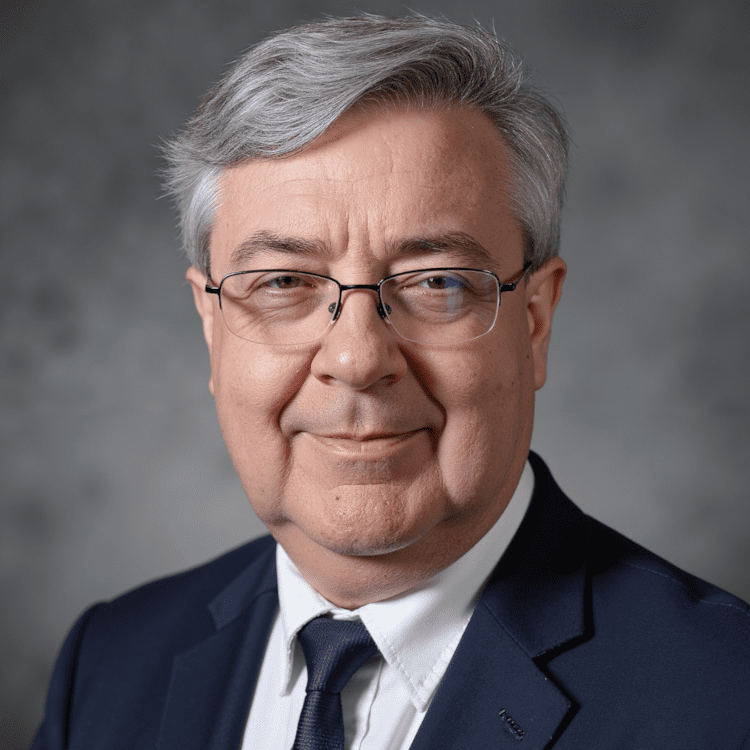
Dr. Curt Watke is a distinguished missiologist whose three-plus-decade-long career has significantly impacted Christian mission work in North America, particularly in under-reached and challenging regions. Holding a Ph.D. in Evangelism and Missions, Dr. Watke has focused on bridging cultural gaps and fostering sustainable Christian communities by developing innovative strategies that address contemporary challenges like globalization, urbanization, and religious pluralism. His emphasis on cultural sensitivity and contextualization in mission work is reflected in his collaborative writings, including notable works such as “Ministry Context Exploration: Understanding North American Cultures” and “Starting Reproducing Congregations.” Beyond his writing, Dr. Watke is a sought-after speaker and educator, lecturing at seminaries and conferences worldwide, and his teachings continue to inspire and equip new generations of missional leaders. His enduring legacy is marked by unwavering dedication to the mission of God and a profound influence on missional thought and practice. Dr. Watke serves as President and Professor of Evangelism & Missiology at Missional University.