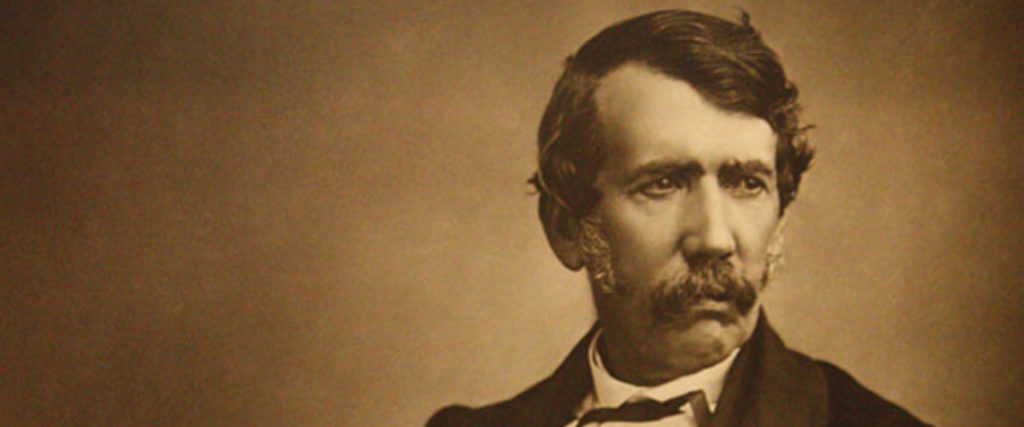
David Livingstone, a 19th-century Scottish Presbyterian, was a physician, explorer, abolitionist, and philanthropist whose life was devoted to serving African people while embodying the Missio Dei—the mission of God. Livingstone’s holistic approach, which integrated medical care, cultural respect, and advocacy for African self-development, offers a powerful example for those seeking to participate in God’s redemptive plan. At Missional University, the Livingstone Signature Series draws inspiration from his service, equipping Associate-level students through core courses: Exploring Worldview in Christian Witness, Exploring the Mission of God, and Introduction to Missional Spirituality. This blog post explores how Livingstone’s commitment to African communities and the Signature Series empower individuals to engage in God’s mission with humility and impact, grounded in biblical principles and optimized for modern contexts.
Livingstone’s Holistic Service to African People
David Livingstone’s work in Africa was defined by a deep commitment to serving its people through practical and compassionate acts. As a trained physician, he provided medical care, treating illnesses and injuries in communities with limited access to healthcare. He introduced smallpox vaccinations, significantly reducing disease prevalence, and trained local individuals in basic medical practices to foster community resilience. His meticulous documentation of tropical diseases advanced medical knowledge, benefiting future healthcare in Africa.
Beyond medicine, Livingstone’s explorations of regions like the Zambezi River, Lake Ngami, and Victoria Falls were driven by a desire to support African prosperity. His detailed maps and geographical records improved understanding of African landscapes, enabling trade routes that promoted economic development and reduced reliance on the slave trade. His abolitionist efforts were equally impactful, as he collaborated with local leaders to disrupt the East African slave trade, documenting its horrors to raise awareness in Europe and advocating for the humane treatment and emancipation of enslaved Africans.
Livingstone’s approach was rooted in the biblical call to “do all to the glory of God” (Colossians 3:17). He saw every act—whether treating the sick, mapping trade routes, or advocating for justice—as service to Christ and African communities. This perspective challenges individuals today to view their skills—whether in healthcare, education, or technology—as avenues for serving others in God’s mission.
The Missio Dei: God’s Redemptive Plan
The Missio Dei, or the mission of God, is the biblical narrative of God’s work to reconcile creation to Himself through Jesus Christ (2 Corinthians 5:18-19). Livingstone’s service to African people embodied this mission. His medical work, advocacy for economic development through sustainable trade in goods like cotton and ivory, and efforts to replace the slave trade with legitimate commerce reflected God’s values of compassion and justice. By supporting infrastructure like river navigation and fostering education initiatives, he empowered African communities with skills for self-sufficiency and growth, aligning with the biblical mandate to “act justly and love mercy” (Micah 6:8).
The Exploring the Mission of God course in the Livingstone Signature Series invites students to trace this redemptive vision through Scripture. Just as God called Abraham to be a blessing to all nations (Genesis 12:3), Livingstone saw himself as an instrument to encourage hope and community empowerment in Africa. This course equips students to recognize their role in God’s mission, encouraging them to serve others through their vocations and community engagement in ways that honor God’s redemptive purposes.
Evangelism with Respect and Cultural Sensitivity
Livingstone’s approach to sharing the gospel was marked by respect for African cultures and peoples. Rather than imposing Christianity, he built relationships through medical care and dialogue, earning trust among tribal leaders and communities. His detailed records of African languages, traditions, and cultures preserved valuable knowledge and countered European stereotypes, fostering mutual respect. This approach mirrors Jesus’ model of engaging people with grace, as seen in His interactions with the Samaritan woman (John 4:7-26) or Zacchaeus (Luke 19:1-10).
The Exploring Worldview in Christian Witness course reflects this dialogical approach, teaching students to engage others’ worldviews with humility and curiosity. In a diverse world, effective evangelism requires cultural intelligence. By learning to ask thoughtful questions, students can build bridges to share their faith respectfully, drawing inspiration from Livingstone’s relational approach to serving African communities.
Missional Spirituality: Sustaining Service with Faith
Livingstone’s service was sustained by a deep spirituality, evident in his unwavering faith amid dangers and isolation. Often found praying, even at his death, he embodied the call to “pray without ceasing” (1 Thessalonians 5:17). His spiritual resilience fueled his medical, abolitionist, and educational efforts, enabling him to serve African communities with authenticity and compassion.
The Introduction to Missional Spirituality course equips students to cultivate a vibrant spiritual life that supports service to others. Through practices like prayer, scripture study, and community engagement, students learn to deepen their faith while connecting with others. Creative resources—readings, videos, and practical experiments—inspire students to live out their faith in ways that reflect Livingstone’s dedication to serving African people.
Confronting Injustice: Livingstone’s Abolitionist Legacy
Livingstone’s fight against the East African slave trade was a cornerstone of his service. He called it “the open sore of the world” and used his writings, such as Narrative of an Expedition to the Zambezi and Its Tributaries (1865), to expose its brutality, galvanizing British support for abolition. By collaborating with local leaders and advocating for legitimate trade to replace the slave economy, he worked to empower African communities economically and socially, aligning with the biblical call to “loosen the chains of injustice” (Isaiah 58:6).
Today, Livingstone’s abolitionist zeal inspires individuals to confront modern injustices, such as human trafficking or systemic inequality. The Missio Dei calls believers to use their skills and platforms to advocate for the oppressed, serving others in ways that reflect God’s heart for justice and restoration.
Exploration as Service: Empowering African Communities
Livingstone’s explorations were acts of service aimed at empowering self-determination among African people. His maps and cultural documentation facilitated trade and mission work, not for exploitation but to support economic and social development. His botanical, zoological, and ethnographic studies enriched global understanding of Africa, while his advocacy for African agency and self-governance emphasized local leadership in development efforts. This resonates with the biblical mandate to “make disciples of all nations” (Matthew 28:19), requiring cultural and geographical understanding.
The Livingstone Signature Series encourages students to see exploration—whether cultural, intellectual, or geographical—as a form of service. By studying worldviews in Exploring Worldview in Christian Witness, students learn to engage diverse communities with respect, following Livingstone’s example of serving African people through informed and compassionate outreach.
Missional Communication: Amplifying Service
Livingstone was a skilled communicator, using journals, books, and art to share his observations and advocate for African people. His best-selling Missionary Travels and Researches in South Africa inspired missionary and abolitionist movements, fulfilling the call to “proclaim the good news to all creation” (Mark 16:15). By raising funds in Europe for humanitarian aid and distributing resources like seeds and tools to African communities, he amplified his impact.
Today, individuals can use modern media—blogs, social media, or multimedia—to share their faith and advocate for others. The Livingstone Signature Series equips students to communicate effectively, whether through personal dialogue (Exploring Worldview in Christian Witness) or community engagement (Introduction to Missional Spirituality), extending the reach of their service in God’s mission.
The Livingstone Signature Series: Equipping for Service
The Livingstone Signature Series at Missional University empowers students to serve others in their unique contexts, reflecting Livingstone’s legacy of service to African people. Its three core courses provide biblical and practical foundations:
- Exploring Worldview in Christian Witness: Teaches students to engage diverse worldviews with respect, mirroring Livingstone’s culturally sensitive approach to serving African communities.
- Exploring the Mission of God: Traces God’s redemptive plan, helping students integrate their vocations with service to others, as Livingstone did through medical care and advocacy.
- Introduction to Missional Spirituality: Fosters spiritual growth to sustain service, drawing on Livingstone’s faith-driven commitment to African people.
These courses equip students to serve in culturally relevant, spiritually grounded ways, whether in local or global contexts.
Livingstone’s Legacy in Today’s World
Livingstone’s service to African people—through medical care, abolitionism, cultural documentation, and advocacy for development—offers timeless lessons. His holistic view challenges the sacred-secular divide, showing that every vocation can join God’s mission. His respect for African cultures calls for humility and cultural sensitivity, while his fight against slavery inspires action against modern injustices. His use of media encourages leveraging technology for service.
In a divided world, the Missio Dei unites believers in service. The Livingstone Signature Series equips individuals with biblical and practical tools to serve others, emulating Livingstone’s passion for African communities and joining God’s mission with creativity and courage.
Conclusion: Serving in God’s Mission
David Livingstone’s life demonstrates the impact of one individual dedicated to serving others in God’s mission. His medical, abolitionist, and educational efforts benefited African communities and inspired generations. The Livingstone Signature Series at Missional University carries forward this legacy, equipping believers to serve with humility and impact. As Scripture reminds us, “For we are God’s handiwork, created in Christ Jesus to do good works, which God prepared in advance for us to do” (Ephesians 2:10). By embracing their callings and serving others, individuals can follow Livingstone’s example, becoming agents of God’s redemptive love.
Sources
Primary Sources
- Livingstone, David. Missionary Travels and Researches in South Africa. London: John Murray, 1857.
- Livingstone, David, and Charles Livingstone. Narrative of an Expedition to the Zambesi and Its Tributaries. London: John Murray, 1865.
- Livingstone, David. Livingstone’s Private Journals, 1851-1853. Edited by I. Schapera. London: Chatto & Windus, 1960.
- Livingstone, David. Livingstone’s Missionary Correspondence, 1841-1856. Edited by I. Schapera. Berkeley: University of California Press, 1961.
Secondary Sources
- Christie, Vance. David Livingstone: Missionary, Explorer, Abolitionist. Christian Focus Publications, 2023.
- Jeal, Tim. Livingstone. Revised and Expanded. Yale University Press, 2013.
- Ransford, Oliver. David Livingstone: The Dark Interior. London: J. Murray, 1978.
- Wisnicki, Adrian S., and Megan Ward, eds. “Livingstone’s Life & Expeditions.” Livingstone Online. University of Maryland Libraries, 2015. http://livingstoneonline.org
- Missional University. “Livingstone Signature Series.” https://missional.university
- Ross, Andrew C. “Livingstone, David.” In Biographical Dictionary of Christian Missions, edited by Gerald H. Anderson, 405. New York: Macmillan Reference USA, 1999.
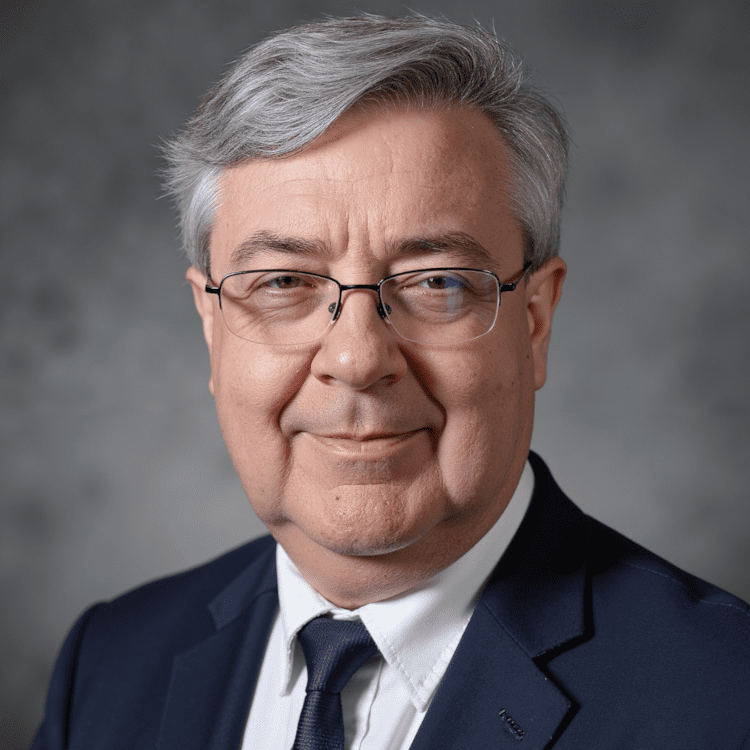
Dr. Curt Watke is a distinguished missiologist whose three-plus-decade-long career has significantly impacted Christian mission work in North America, particularly in under-reached and challenging regions. Holding a Ph.D. in Evangelism and Missions, Dr. Watke has focused on bridging cultural gaps and fostering sustainable Christian communities by developing innovative strategies that address contemporary challenges like globalization, urbanization, and religious pluralism. His emphasis on cultural sensitivity and contextualization in mission work is reflected in his collaborative writings, including notable works such as “Ministry Context Exploration: Understanding North American Cultures” and “Starting Reproducing Congregations.” Beyond his writing, Dr. Watke is a sought-after speaker and educator, lecturing at seminaries and conferences worldwide, and his teachings continue to inspire and equip new generations of missional leaders. His enduring legacy is marked by unwavering dedication to the mission of God and a profound influence on missional thought and practice. Dr. Watke serves as President and Professor of Evangelism & Missiology at Missional University.