Relating Worldviews to Culture Care in the Mission of God
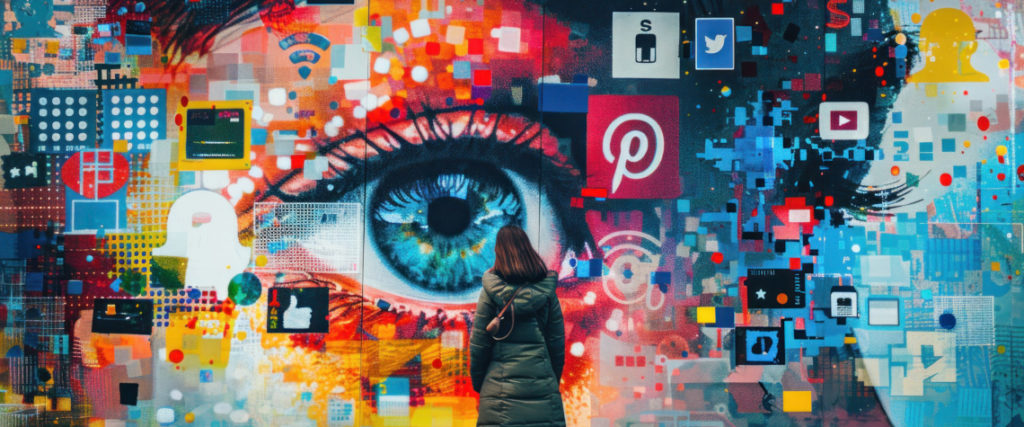
In today’s rapidly evolving digital landscape, visual media has become a pivotal force in shaping, expressing, and disseminating cultural narratives and worldviews reflecting diverse beliefs and values. From social media platforms to digital art installations, the ways in which we communicate and perceive beliefs and values are continually transforming. For Christian believers, this presents both a challenge and an opportunity: to engage thoughtfully with digital visual media in a manner that aligns with God’s mission of redemption, reconciliation, restoration, and renewal.
The Power of Digital Visual Media in Shaping Worldviews
Digital visual media encompasses a broad spectrum of platforms and tools, including social media, digital art, video content, virtual reality, and more. These mediums have the unique ability to convey complex narratives and emotions instantaneously, making them powerful instruments for shaping and proliferating worldviews.
Representation in visual media is vital for showcasing the rich diversity of global cultures. When different communities are accurately portrayed, it challenges prevailing stereotypes and informs audience understanding and participation. A powerful example is the rise of social media platforms, where users share their stories through images and videos, breaking down barriers and inspiring solidarity.
In the context of religious and non-religious movements, digital visual media serves as both a mirror and a catalyst. It reflects existing cultural narratives while also providing a platform for new interpretations and expressions. This dynamic interplay facilitates the growth and diversification of various worldview groups, enabling them to reach wider audiences and engage in global conversations.
Innovative Approaches to Online Spiritual Practices
The digital realm offers unprecedented opportunities for individuals and communities to explore and express their spirituality. Innovative approaches to online spiritual practices have emerged, leveraging digital visual media to create immersive and interactive experiences.
Virtual Worship and Digital Liturgies
Churches and religious organizations have adapted to the digital age by offering virtual worship services and digital liturgies. These online gatherings utilize live streaming, pre-recorded videos, and interactive platforms to foster a sense of community among participants, regardless of geographical location. Visual elements such as digital icons, virtual backgrounds, and multimedia presentations enhance the worship experience, making it more engaging and accessible.
Online Retreats and Spiritual Exercises
Digital platforms have enabled the organization of online retreats and spiritual exercises, providing individuals with opportunities for reflection and growth from the comfort of their homes. These programs often incorporate visual meditations, guided imagery, and interactive art projects to facilitate deeper spiritual engagement.
Digital Storytelling and Testimonies
Believers are increasingly sharing their faith journeys through digital storytelling. Utilizing blogs, vlogs, and social media, individuals craft narratives that incorporate visual elements like photographs, illustrations, and videos to convey their experiences and insights. This approach not only personalizes their stories but also makes them more relatable and impactful to diverse audiences.
The Role of Digital Visual Arts in Capturing and Amplifying Cultural Narratives
Digital visual arts have become instrumental in capturing, interpreting, and amplifying cultural narratives across various worldviews. Artists and creators use digital tools to explore themes of identity, faith, and community, producing works that resonate on both personal and collective levels.
Digital Iconography and Symbolism
Artists are reimagining traditional religious symbols and iconography through digital mediums. By blending classical motifs with contemporary aesthetics, they create pieces that speak to modern audiences while honoring historical traditions. This fusion allows for a re-contextualization of faith symbols, making them relevant in today’s cultural milieu.
Virtual Reality (VR) and Augmented Reality (AR) Experiences
The advent of VR and AR technologies has opened new avenues for immersive storytelling. Creators develop interactive experiences that allow users to explore biblical narratives, historical events, or spiritual themes in a virtual space. These immersive environments provide unique opportunities for experiential learning and personal reflection.
Digital Murals and Public Art
Digital murals and public art installations leverage projection mapping and interactive displays to transform physical spaces into dynamic storytelling canvases. These projects often address social justice issues, community histories, and spiritual themes, engaging the public in meaningful dialogue.
Digital Tools and Techniques for Worldview Dissemination
The proliferation of digital tools has democratized content creation, enabling individuals and organizations to disseminate their worldviews effectively. Understanding and utilizing these tools can enhance the reach and impact of cultural narratives.
Social Media Platforms
Platforms like Instagram, Facebook, and TikTok serve as conduits for sharing visual content that reflects personal beliefs and cultural values. By curating images, videos, and stories, users can engage with a global audience, fostering dialogue and community building.
Local and Virtual Meeting Sites
Sites such as Meetup and Eventbrite are social media platforms for hosting and organizing in-person and virtual activities, gatherings, and events for people and communities of similar interests, conferences, and more. When paired with video conference platforms such as Zoom, Google Meet or Micosoft Teams, groups of people form worldview communities that explore alternative spiritualities, new religious movements, and various online forms of world religions and Christian denominational groups and NGOs.
Graphic Design Software
Tools such as Adobe Creative Suite and Canva empower individuals to create compelling visual content. Graphic design plays a crucial role in crafting visual narratives that communicate complex ideas succinctly and attractively.
Video Production and Editing
Accessible video production tools enable the creation of documentaries, testimonials, and educational content that explore and promote various worldviews. High-quality visual storytelling can captivate audiences and convey messages with emotional depth and clarity.
Analyzing Digital Visual Media Across Worldviews
Digital visual media serves as a powerful interpretive space for diverse cultural and worldview expressions. By examining its use across different belief systems, we can gain insights into how digital platforms facilitate the proliferation of both religious and non-religious movements.
World Religions
Major world religions utilize digital visual media to educate, inspire, and connect adherents. For example, virtual tours of sacred sites, live-streamed rituals, and online religious art exhibitions allow individuals to engage with their faith in new and meaningful ways.
New Religious Movements
Emerging spiritual movements often rely on digital platforms to establish their presence and attract followers. Through visually appealing websites, social media campaigns, and online communities, these groups disseminate their beliefs and practices to a global audience.
Non-Religious Movements
Atheist, secular, and humanist groups also leverage digital visual media to share their perspectives, promote discussions on ethics and philosophy, and build supportive communities. Infographics, documentaries, and online forums help articulate and spread their worldview.
Joining God’s Mission Through Culture Care as Digital Visual Creatives
For Christian believers, engaging with digital visual media is not merely about content creation but about participating in God’s mission. By curating and sharing content that reflects gospel-centered values, believers can contribute to culture care in meaningful ways. As digital visual media continues to influence worldviews, Christian creatives are called to engage with these platforms intentionally, using their artistic talents to counter misleading narratives, communicate biblical values, and encourage spiritual engagement. By producing thought-provoking, faith-infused content, they can inspire audiences to see the world through the lens of God’s kingdom, fostering conversations that lead to a gospel-centered witness and spiritual transformation.
Countering Anti-Christian Cultural Dissemination
Digital visual creatives play a crucial role in resisting and countering narratives that undermine biblical truth. Through thought-provoking graphic design, infographics, digital art, and multimedia content, they can challenge misconceptions about Christianity and address cultural narratives that distort God’s character. By producing high-quality, faith-infused media, they can present compelling alternatives to secular ideologies and invite audiences to reconsider their worldviews through a gospel-centered lens.
Encouraging Spiritual Engagement with the Gospel-Centered Message
Digital visual creatives have the unique opportunity to use their artistic gifts to draw people toward Christ. By crafting digital experiences that highlight themes of grace, redemption, and restoration, they can spark curiosity and encourage deeper spiritual reflection. Whether through immersive biblical storytelling, visually rich worship experiences, or aesthetically captivating social media content, these creatives can lead audiences into encounters with God’s truth in ways that resonate deeply with modern digital culture.
Supporting Culture Care in the Workplace, Home, and Everyday Life
Christian professionals in the media, arts, and digital industries can integrate faith-informed creativity into their work. By producing ethical, truthful, and inspiring content, they can shape cultural narratives that align with God’s vision for justice and renewal. Families can engage with digital visual media by encouraging meaningful content consumption and creation. Teaching children to critically analyze media through a biblical lens equips them to navigate digital spaces with discernment and integrity. Individuals can use their digital presence to share stories of faith, advocate for social justice, and support artistic expressions that reflect God’s redemptive work. By doing so, they participate in the larger mission of proclaiming hope and restoration.
Conclusion
Digital visual media is a powerful tool for cultural dissemination, worldview proliferation, and spiritual engagement. By thoughtfully leveraging these mediums, Christian believers can join God’s mission in innovative and transformative ways. Whether through digital storytelling, online worship, or creative visual arts, the potential to influence cultural narratives for God’s glory is vast. As we navigate the digital age, let us embrace the call to steward visual media with wisdom and purpose, reflecting the message of redemption, reconciliation, restoration, and renewal.
Sources
- Perspectiva. (n.d.). Lifeway Frameworks and Beliefscope Categories. Retrieved from www.missional.international/perspectiva
- Cobb, Jennifer. (1998). Cybergrace: the Search for God in the Digital World. New York: Crown Publishers.
- Davis, Erik. (1998). Techgnosis: Myth, Magic, Mysticism in the Age of Information. Harmony Books.
- Hipps, S. (2005). The Hidden Power of Electronic Culture: How Media Shapes Faith, the Gospel, and Church. Zondervan.
- Jenkins, H. (2008). Convergence Culture: Where Old and New Media Collide. NYU Press.
- Rheingold, H. (2002). Smart Mobs: The Next Social Revolution. Basic Books.
- Striphas, Ted. (2015). Algorithmic Culture. Routledge.
- Tucker, Aaron. (2013). Our Digital Religion: Understanding Religious Practice in a Digital Age. Routledge.
- Ward, Mark D. (2017). Religion and Social Media. Routledge.

Dr. Curt Watke is a distinguished missiologist whose three-plus-decade-long career has significantly impacted Christian mission work in North America, particularly in under-reached and challenging regions. Holding a Ph.D. in Evangelism and Missions, Dr. Watke has focused on bridging cultural gaps and fostering sustainable Christian communities by developing innovative strategies that address contemporary challenges like globalization, urbanization, and religious pluralism. His emphasis on cultural sensitivity and contextualization in mission work is reflected in his collaborative writings, including notable works such as “Ministry Context Exploration: Understanding North American Cultures” and “Starting Reproducing Congregations.” Beyond his writing, Dr. Watke is a sought-after speaker and educator, lecturing at seminaries and conferences worldwide, and his teachings continue to inspire and equip new generations of missional leaders. His enduring legacy is marked by unwavering dedication to the mission of God and a profound influence on missional thought and practice. Dr. Watke serves as President and Professor of Evangelism & Missiology at Missional University.