The call to defend the Christian faith is not merely an intellectual exercise but a vibrant expression of God’s redemptive mission, the Missio Dei. Rooted in the biblical narrative, the Missio Dei reflects God’s heart to reconcile all creation to Himself through Jesus Christ, inviting believers to participate as agents of His love and truth in a broken world. At Missional University’s Department of Missional Theology & History in the School of Theological Studies, the course Evaluating Early Christian Apologetics and Polemics equips students to explore how early Christians articulated and defended their faith in a pluralistic, often hostile, world. Their apologetic strategies were not detached debates but dynamic engagements that advanced God’s mission of reconciliation. This article examines how early Christian apologetics embodied the Missio Dei through Historical Theology, Cultural Engagement, Missional Apologetics, and Biblical Fidelity. By drawing on their example, believers today can embrace practical tools to defend the faith missionally, fostering reconciliation in diverse settings.
Understanding the Missio Dei: God’s Mission as the Foundation
The Missio Dei, or the mission of God, is the heartbeat of the biblical story. From Genesis to Revelation, Scripture reveals God’s intent to redeem and restore humanity and creation to a right relationship with Himself. Christopher J.H. Wright articulates that fundamentally, our mission (if it is biblically informed and validated) means our committed participation as God’s people, at God’s invitation and command, in God’s own mission within the history of God’s world for the redemption of God’s creation (Wright, 2006). This mission begins in Genesis with God’s covenant with Abraham to bless all nations (Gen 12:1–3) and culminates in Revelation’s vision of a renewed creation where every tribe, tongue, and nation worships the Lamb (Rev 7:9–10). The Missio Dei is not a peripheral activity but the core of God’s purpose, in which every believer is called to participate.
Early Christians understood their role in this divine mission. Facing a pluralistic Roman world filled with competing philosophies and religions, they defended their faith not just to win arguments but to proclaim the transformative truth of Christ. Their apologetics were missional, aiming to draw others into God’s redemptive story. The Department of Missional Theology & History at the School of Theological Studies builds on this foundation, emphasizing that believers today must engage the world with the same missional zeal, grounded in Scripture and informed by historical wisdom. By studying early Christian apologetics, individuals can learn to articulate the gospel in ways that resonate with diverse audiences while remaining faithful to biblical truth.
Historical Theology: Learning from Early Christian Apologetic Strategies
Historical Theology provides a lens to examine how early Christians defended their faith in a world that often misunderstood or opposed them. Figures like Justin Martyr, Tertullian, and Origen faced a range of challenges, from accusations of atheism to charges of political subversion. Their apologetic strategies were not merely defensive but proactive, seeking to demonstrate the reasonableness and truth of Christianity in a way that invited others into God’s mission.
Justin Martyr, for instance, wrote his First Apology around 150 CE to address Roman authorities, arguing that Christianity was not a threat but a fulfillment of rational philosophy. He engaged with Greco-Roman thought, showing how Christ as the Logos embodied the ultimate truth sought by philosophers like Plato. Similarly, Tertullian’s Apology defended Christians against accusations of disloyalty, emphasizing their moral lives and contributions to society. Origen, in Against Celsus, responded to a pagan critic by systematically defending Christian doctrines, showing their coherence with Scripture and reason. These early apologists did not isolate their faith from the culture but engaged it thoughtfully, aiming to reconcile skeptics to the truth of Christ.
The Department of Missional Theology & History emphasizes that these historical examples are not relics but models for today’s believers. By studying their approaches, individuals learn to craft responses that are intellectually robust and missionally driven. For example, Justin’s engagement with philosophy inspires believers to find common ground with secular worldviews, while Tertullian’s emphasis on ethical living challenges Christians to embody the gospel in their actions. This historical perspective equips individuals to participate in God’s mission by addressing contemporary objections with clarity and grace.
Cultural Engagement: Proclaiming Truth in a Pluralistic World
Cultural Engagement is central to missional apologetics, as it involves meeting people where they are and communicating the gospel in ways that resonate with their context. Early Christians lived in a pluralistic Roman Empire, navigating a landscape of diverse religions, philosophies, and cultural practices. Their apologetic efforts were not about cultural domination but about contextualizing the gospel to make it accessible without compromising its truth.
For example, Paul’s speech at the Areopagus in Acts 17:22–31 is a masterclass in cultural engagement. Addressing Athenian philosophers, Paul began by affirming their religious curiosity, quoting their poets to build a bridge to the gospel. He then proclaimed the “unknown God” as the Creator and Redeemer, calling his audience to repentance. This approach was not manipulative but respectful, seeking to draw others into God’s redemptive mission. Similarly, early apologists like Clement of Alexandria engaged with Greek culture, presenting Christianity as the fulfillment of human longing for truth and meaning.
The School of Theological Studies’ Department of Missional Theology & History underscores the importance of cultural engagement for today’s believers. In a globalized world marked by diversity and skepticism, Christians must listen to and understand the perspectives of others. This involves addressing contemporary issues—such as social justice, environmental concerns, or interfaith dialogue—with a gospel-centered lens. By engaging culture missionally, individuals can advance the Missio Dei, fostering reconciliation in diverse settings.
Missional Apologetics: Proclaiming the Gospel with Purpose
Missional Apologetics is the art of defending the faith in a way that aligns with God’s redemptive mission. Unlike traditional apologetics, which may focus solely on intellectual arguments, missional apologetics prioritizes proclamation and invitation. Early Christians exemplified this by weaving their defense of the faith into their witness to Christ’s transformative power. Their goal was not to win debates but to draw others into a relationship with the living God.
Consider the apologetic approach of the second-century Epistle to Diognetus. The author describes Christians as the “soul” of the world, living distinctively yet engagingly within society. By highlighting the moral and communal witness of believers, the epistle defended Christianity as a force for good, inviting others to explore its claims. Similarly, Athenagoras’ Plea for the Christians addressed Roman authorities, refuting false accusations while emphasizing the hope and love that defined Christian communities. These apologists saw their defense as part of God’s mission to reconcile humanity to Himself.
Missional University encourages believers to adopt this missional mindset. The Department of Missional Theology & History teaches that apologetics should be rooted in the Missio Dei, aiming to proclaim the gospel in word and deed. For example, when addressing skepticism about Christianity’s relevance, believers can share stories of how Christ has transformed lives, coupling these testimonies with reasoned arguments. This approach reflects the holistic mission described by Wright, where evangelism and social responsibility are intertwined (Wright, 2010, p. 94). By proclaiming the gospel missionally, individuals can invite others into God’s redemptive story, fostering reconciliation across cultural and ideological divides.
Biblical Fidelity: Anchoring Apologetics in God’s Word
Biblical Fidelity is the cornerstone of missional apologetics, ensuring that every defense of the faith is grounded in the truth of Scripture. Early Christians were unwavering in their commitment to the biblical narrative, using it as the foundation for their apologetic arguments. They saw Scripture as the inspired Word of God, revealing His redemptive plan and equipping believers to participate in His mission.
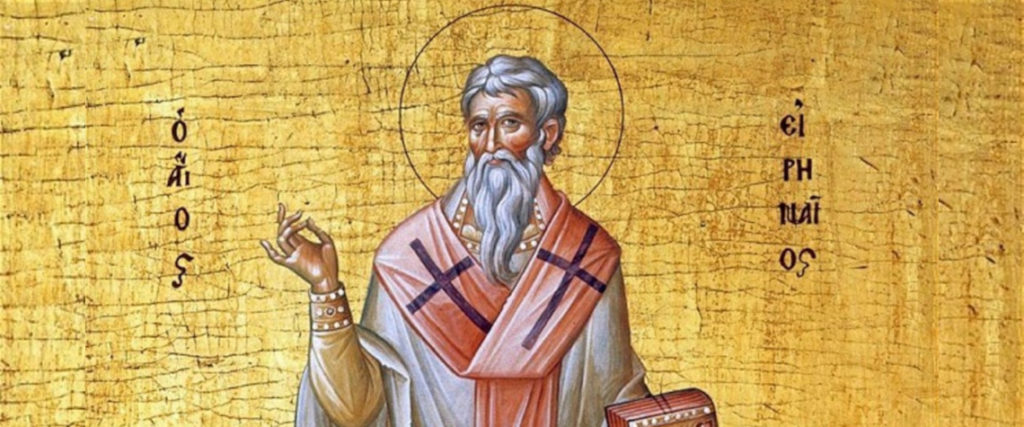
For instance, Irenaeus of Lyons, in his Against Heresies, defended orthodox Christianity against Gnostic distortions by appealing to the apostolic tradition rooted in Scripture. He argued that the Old and New Testaments together tell the story of God’s redemptive work, culminating in Christ. Similarly, Augustine’s City of God responded to pagan critiques by tracing God’s mission through history, showing how Scripture provides a coherent worldview that addresses human longing and societal brokenness. These apologists demonstrated that fidelity to Scripture was not a retreat from culture but a means to engage it with confidence.
The Department of Missional Theology & History in the School of Theological Studies at Missional University emphasizes that biblical fidelity is essential for missional apologetics today. Students are trained to read Scripture missionally, seeing it as a narrative of God’s redemptive purpose (Wright, 2006). This involves understanding key texts like Genesis 12:1–3, Isaiah 52:7, and Matthew 28:19–20, which reveal God’s heart for all people groups. By grounding their apologetics in Scripture, believers can address contemporary challenges—such as relativism or secularism—with a message that is both timeless and relevant. Biblical fidelity ensures that the Missio Dei remains the guiding light, directing individuals to defend the faith in ways that honor God and draw others to Him.
Tools for Missional Apologetics in Today’s World
To defend the faith missionally, believers need practical tools that integrate historical wisdom, cultural sensitivity, and biblical truth. Here are five key strategies inspired by early Christian apologetics and the Missio Dei:
- Listen and Understand: Like Paul at the Areopagus, begin by listening to the beliefs and concerns of others. Understanding their worldview allows you to present the gospel in a way that resonates, addressing their questions and objections thoughtfully.
- Engage with Reason and Grace: Follow Justin Martyr’s example by combining intellectual rigor with humility. Whether addressing atheism, pluralism, or moral objections, offer reasoned arguments that invite dialogue rather than confrontation.
- Live the Gospel: Tertullian emphasized the moral witness of Christians as a defense of the faith. Your life—marked by love, integrity, and service—can be a powerful apologetic, demonstrating the transformative power of Christ.
- Tell Redemptive Stories: Share personal or communal stories of how God’s grace has worked in your life or others’. These narratives, like those in the Epistle to Diognetus, make the gospel tangible and compelling.
- Stay Rooted in Scripture: Ground every defense in the biblical narrative, as Irenaeus did. Use Scripture to show how God’s mission addresses human needs and offers hope for reconciliation with God and others.
These tools, taught through Missional University’s programs, empower individuals to defend the faith in diverse settings, from workplaces to communities, advancing the Missio Dei by fostering reconciliation.
Advancing the Missio Dei in Diverse Settings
The Missio Dei calls every believer to participate in God’s mission, regardless of their context. Early Christian apologists faced a world much like ours—pluralistic, skeptical, and often hostile. Yet they saw their defense of the faith as an opportunity to advance God’s redemptive purpose. Today, believers are called to do the same, engaging skeptics, addressing cultural challenges, and proclaiming the gospel with courage and compassion.
The Department of Missional Theology & History at Missional University equips individuals to live out this calling. By studying early Christian apologetics, students gain intellectual, spiritual, and practical confidence to defend the faith missionally. Whether in a secular workplace, a multicultural neighborhood, or a global mission field, believers can draw on historical strategies, cultural engagement, and biblical fidelity to participate in God’s mission. Wright reminds us that the mission of God’s people is not just about sharing a message of blessing but about being a blessing (Wright, 2010). By defending the faith missionally, individuals become agents of reconciliation, inviting others into the transformative love of Christ.
Conclusion: A Call to Missional Apologetics
Early Christian apologetics offers a timeless model for defending the faith in a way that aligns with the Missio Dei. By integrating Historical Theology, Cultural Engagement, Missional Apologetics, and Biblical Fidelity, believers can proclaim the gospel with clarity and purpose. The School of Theological Studies’ Department of Missional Theology & History at Missional University provides the tools and training to equip individuals for this task, fostering a deep understanding of God’s mission and its application in diverse contexts. As you engage the world with the truth of Christ, let your apologetics be a reflection of God’s heart—a mission to reconcile all people to Himself through love, truth, and grace.
Sources
- Wright, Christopher J.H. The Mission of God: Unlocking the Bible’s Grand Narrative. Nottingham: InterVarsity Press, 2006.
- Wright, Christopher J.H. The Mission of God’s People: A Biblical Theology of the Church’s Mission. Grand Rapids: Zondervan, 2010.
- Missional University. “Missional Theology & History.” Undergraduate Catalogue @ Missional University. Accessed May 29, 2025.
- Missional University. “School of Theological Studies.” Accessed May 29, 2025.
- Epistle to Diognetus. Translated by Michael W. Holmes. In The Apostolic Fathers. Grand Rapids: Baker Academic, 2007.
- Justin Martyr. First Apology. Translated by Marcus Dods and George Reith. In Ante-Nicene Fathers, vol. 1. Edited by Alexander Roberts and James Donaldson. Peabody: Hendrickson, 1994.
- Tertullian. Apology. Translated by S. Thelwall. In Ante-Nicene Fathers, vol. 3. Edited by Alexander Roberts and James Donaldson. Peabody: Hendrickson, 1994.
- Origen. Against Celsus. Translated by Frederick Crombie. In Ante-Nicene Fathers, vol. 4. Edited by Alexander Roberts and James Donaldson. Peabody: Hendrickson, 1994.
- Irenaeus. Against Heresies. Translated by Alexander Roberts and William Rambaut. In Ante-Nicene Fathers, vol. 1. Edited by Alexander Roberts and James Donaldson. Peabody: Hendrickson, 1994.
- Augustine. City of God. Translated by Marcus Dods. In Nicene and Post-Nicene Fathers, vol. 2. Edited by Philip Schaff. Peabody: Hendrickson, 1994.

Dr. Curt Watke is a distinguished missiologist whose three-plus-decade-long career has significantly impacted Christian mission work in North America, particularly in under-reached and challenging regions. Holding a Ph.D. in Evangelism and Missions, Dr. Watke has focused on bridging cultural gaps and fostering sustainable Christian communities by developing innovative strategies that address contemporary challenges like globalization, urbanization, and religious pluralism. His emphasis on cultural sensitivity and contextualization in mission work is reflected in his collaborative writings, including notable works such as “Ministry Context Exploration: Understanding North American Cultures” and “Starting Reproducing Congregations.” Beyond his writing, Dr. Watke is a sought-after speaker and educator, lecturing at seminaries and conferences worldwide, and his teachings continue to inspire and equip new generations of missional leaders. His enduring legacy is marked by unwavering dedication to the mission of God and a profound influence on missional thought and practice. Dr. Watke serves as President and Professor of Evangelism & Missiology at Missional University.