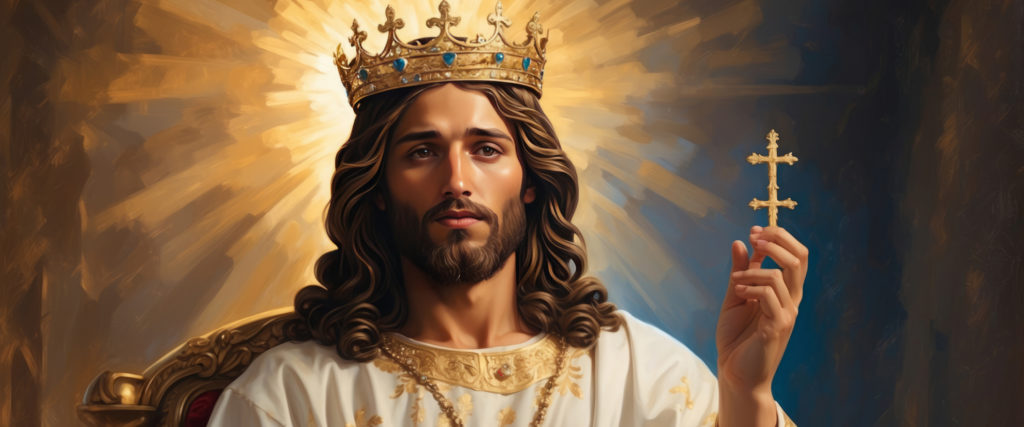
When you wake each morning, you enter a world contested between two kingdoms. Every conversation, decision, and interaction becomes a battleground where God’s righteous reign confronts human rebellion. This is not merely theological abstraction—it is the daily reality of your participation in God’s mission. The Kingdom of God orientation positions mission as the proclamation and embodiment of God’s inbreaking reign, marked by justice, peace, shalom, and reconciliation, summoning all creation to align with His sovereign rule in its already/not-yet reality. As you navigate your workplace, neighborhood, and relationships, you are called not simply to believe in this kingdom but to demonstrate its transformative power against the backdrop of human defiance.
Understanding your role in God’s mission requires grasping both the majesty of divine kingship and the tragedy of human resistance. The missio Dei—God’s missionary nature and redemptive purpose—unfolds as a cosmic drama where the triune God actively extends His rule while humanity erects competing powers and ideologies. Your participation in this mission is not about building programs or filling church pews; it is about aligning your entire life with the One who declares, “All authority in heaven and on earth has been given to me” (Matthew 28:18). This article explores how you can embody kingdom values in the face of human defiance, becoming an agent of God’s reconciling work in a world that desperately needs to encounter His righteous reign.
The Foundation: Understanding the Kingdom of God
The kingdom of God represents far more than a future heavenly destination—it is God’s dynamic, sovereign rule actively breaking into human history. Missiologist David Bosch reminds us that mission originates not from human initiative but from the inherent missionary nature of the triune God. The kingdom, therefore, is fundamentally about God’s reign rather than a geographical realm or institutional structure. When Jesus proclaimed, “The kingdom of God has come near” (Mark 1:15), He announced the invasion of divine rule into territories long dominated by competing powers.
This kingdom orientation transforms how you understand your daily existence. You do not merely wait passively for a future kingdom; you participate in its present reality while anticipating its full consummation. George Eldon Ladd’s groundbreaking work demonstrated that the kingdom exists in an “already/not-yet” tension—inaugurated through Christ’s first coming yet awaiting complete fulfillment at His return. This tension creates the space for your missional engagement. Every act of justice, mercy, and reconciliation you perform becomes a tangible preview of God’s coming rule, a foretaste that invites others to submit to the righteous King.
The biblical narrative consistently portrays God as an active ruler who exercises kingship through justice and peace. Psalm 103:19 declares, “The Lord has established his throne in the heavens, and his kingdom rules over all.” This is not abstract sovereignty but concrete action. God’s reign manifests in delivering the oppressed, establishing equity, and reconciling hostile parties. Your participation in the missio Dei means joining this redemptive activity, becoming an instrument through which God’s rule advances in tangible, observable ways.
Biblical Foundations of Kingdom Mission
The prophetic vision of Isaiah 9:6-7 provides a foundational blueprint for understanding God’s kingly reign and its missional implications. The prophet declares: “For to us a child is born, to us a son is given, and the government will be on his shoulders. And he will be called Wonderful Counselor, Mighty God, Everlasting Father, Prince of Peace. Of the greatness of his government and peace there will be no end. He will reign on David’s throne and over his kingdom, establishing and upholding it with justice and righteousness from that time on and forever.“
This prophecy reveals several crucial dimensions of God’s kingdom orientation. First, the kingdom advances through a person—the coming King whose very nature embodies divine wisdom, power, and peace. Second, His government is characterized by justice and righteousness, the twin pillars upon which God’s rule stands. Third, this reign is both present and expanding—”of the greatness of his government and peace there will be no end.” You live in the era where this prophecy finds fulfillment in Jesus Christ, whose Spirit-anointed mission extends through your faithful witness.
When Jesus stood in the synagogue at Nazareth and read from Isaiah 61, He announced His kingdom manifesto: “The Spirit of the Lord is on me, because he has anointed me to proclaim good news to the poor. He has sent me to proclaim freedom for the prisoners and recovery of sight for the blind, to set the oppressed free, to proclaim the year of the Lord’s favor” (Luke 4:18-19). This was not merely spiritual rhetoric but a concrete agenda for kingdom mission. The good news Jesus proclaimed was inseparably linked to liberation, healing, and justice. Your participation in His mission means continuing this work—proclaiming freedom while actively working to break chains, announcing sight while serving those who cannot see, declaring God’s favor while demonstrating His compassionate rule.
The Lord’s Prayer provides your daily missional orientation: “Your kingdom come, your will be done, on earth as it is in heaven” (Matthew 6:10). This petition is not passive wishful thinking but active intercession that propels you into kingdom work. When you pray these words, you commit yourself to becoming part of the answer. You ask God to manifest His reign in your city, workplace, and family, then you align your actions with that prayer. Heaven’s reality—where justice, peace, and wholeness reign supreme—becomes the template for your earthly engagement.
The Theological Breadth of Kingdom Orientation
Understanding the kingdom of God requires drawing from multiple theological disciplines, each illuminating different facets of God’s reign and your participation in it. Eschatology, the study of last things, provides the temporal framework. The kingdom bridges inaugurated reality and future consummation, linking present ethical imperatives—justice and reconciliation—with gospel advancement. You live between Christ’s first and second comings, in an age where the kingdom has broken into history but not yet achieved full expression. This “already/not-yet” tension means you experience genuine kingdom power while still groaning for complete redemption.
Theology proper—the doctrine of God—reveals that God’s kingship is central to His being. The kingdom orientation exposes His sovereign rule characterized by righteousness, justice, and peace. Mission flows from and advances this eternal reign manifested in history. When you proclaim God’s kingdom, you do not announce a separate agenda but participate in revealing who God fundamentally is: a righteous King who actively exercises authority to deliver, restore, and reconcile.
Christology demonstrates that Jesus is the inaugurated King who embodies and advances the kingdom through His life, death, resurrection, and exaltation. Mission becomes Christocentric as you proclaim His lordship over all powers. The paradox of the cross reveals how God’s kingdom advances—not through coercive force but through suffering servanthood. Your missional engagement follows this same pattern: you extend God’s reign not by domination but by self-giving love that exposes the bankruptcy of competing powers.
Pneumatology emphasizes the Holy Spirit’s role in anointing and empowering the announcement and demonstration of the kingdom. The Spirit enables signs, wonders, justice, and reconciliation as foretastes of God’s reign in the present age. You cannot advance God’s kingdom through human effort alone; you require the Spirit’s empowerment to embody kingdom realities. The same Spirit who anointed Jesus for His mission (Luke 4:18) now anoints you for yours (Acts 1:8).
Soteriology frames salvation as transfer from the dominion of darkness into the kingdom of the Son (Colossians 1:13). Mission invites people into submission to God’s rule through repentance and faith. Salvation is not merely individual spiritual experience but entrance into a new political reality under a new King. When you share the gospel, you announce regime change—calling people to defect from rival kingdoms and pledge allegiance to Jesus.
Ecclesiology positions the church as a kingdom community—a colony of heaven—embodying alternative politics of justice, peace, and reconciliation, serving as sign and instrument of God’s reign in the world. You, as part of Christ’s body, live as a visible preview of what all creation will become when God’s kingdom is fully realized. Your congregational life together should demonstrate reconciled diversity, economic generosity, and counter-cultural values that make people stop and ask, “What makes you different?”
Divine Action: God as Ruler, Judge, Peacemaker, and Liberator
The kingdom orientation of mission centers on divine action—God actively exercising His royal prerogatives in human history. Understanding how God acts shapes how you participate in His mission. As Ruler, God exercises kingship through justice and peace, inviting submission to His rule. This is not tyrannical domination but righteous governance that produces human flourishing. Your mission reflects God’s rule when you establish justice in your sphere of influence, when you advocate for the marginalized, and when you create structures that reflect His righteous standards.
God acts as Judge, advancing righteous judgment that exposes injustice while offering mercy. The kingdom brings uncomfortable confrontation with evil systems and practices. When you participate in God’s mission, you cannot remain neutral toward oppression. Your prophetic witness names injustice, calling it what it is while simultaneously extending the possibility of repentance and restoration. This dual emphasis—exposing wrong while offering mercy—characterizes authentic kingdom mission.
As Peacemaker, God reconciles hostile parties through Christ, modeling and empowering kingdom mission toward shalom. The cross stands as the ultimate expression of divine peacemaking, where God absorbed the violence of human rebellion to create reconciliation. Your mission advances this peace not by ignoring conflict but by addressing its roots—the sin and structural injustice that divide humanity. You become an agent of reconciliation in a fractured world, bringing enemies together under the lordship of the Prince of Peace.
God acts as Liberator, freeing captives from spiritual, social, and systemic bondage. Jesus announced that the Spirit had anointed Him for proclamation and deliverance (Luke 4:18-19). Your participation in this liberating mission means working against every form of captivity—addiction, economic exploitation, political oppression, and spiritual darkness. Liberation theology’s emphasis on God’s preferential option for the poor reminds you that kingdom mission prioritizes those most trapped by dehumanizing powers.
As Provider, God ensures abundance and equity, motivating mission to care for the poor as demonstration of divine generosity. The kingdom vision includes economic justice, where God’s rule establishes fair distribution and ensures every person’s needs are met. Your stewardship of resources becomes missional when you deploy them to reflect God’s generous provision rather than hoarding them in self-protective fear.
Finally, God acts as Reconciler, restoring broken relationships—vertical and horizontal—making reconciliation central to kingdom-oriented mission. The ministry of reconciliation (2 Corinthians 5:18-20) is not optional add-on but essential kingdom work. You participate in God’s mission by healing divisions, building bridges across ethnic and social barriers, and creating spaces where estranged parties can encounter each other in Christ.
The Shadow Side: Understanding Human Defiance
To fully grasp kingdom mission, you must understand the opposition it faces. Human defiance represents the non-believing response to God’s royal authority—individuals and systems challenging His rule, erecting rival powers, ideologies, and forms of self-rule that oppose divine justice and perpetuate disorder. This rebellion resists the kingdom’s reconciling advance, yet God’s sovereign reign persists, calling defiant hearts to repentance and alignment through your faithful witness.
Human defiance manifests in multiple forms, each representing a specific rejection of God’s kingly authority. As rebellion, people defy God’s kingdom rule, challenging His authority with alternative powers or ideologies that oppose divine justice. You encounter this in secular humanism that denies any transcendent authority, in religious systems that substitute human works for divine grace, and in political ideologies that absolutize the state or nation as ultimate loyalty. Your mission confronts these rival claims not with violence but with the superior appeal of God’s righteous reign.
Human oppression flows from rebellion against God’s reign, as people perpetuate injustice and exploitation, resisting kingdom values of equity and care. Wherever you find systemic injustice—racism, economic exploitation, political corruption—you encounter defiance of God’s kingdom. The principalities and powers Paul describes (Ephesians 6:12) are not merely spiritual abstractions but concrete systems and structures that oppose God’s rule. Your missional engagement exposes these powers while working to establish kingdom alternatives.
Violence represents rejection of God’s peacemaking, leading to conflict and enmity that counters the shalom advanced by kingdom mission. In a world marked by warfare, domestic abuse, gang violence, and military aggression, you represent an alternative—the Prince of Peace whose followers refuse to repay evil for evil (Romans 12:21). Your nonviolent witness to Christ’s victory demonstrates that God’s kingdom advances through self-giving love rather than coercive force.
Greed embodies defiance of God’s provision and justice, prioritizing personal gain over communal flourishing. Consumer capitalism’s insatiable appetite for more represents organized rebellion against God’s kingdom economics. When you practice generosity, simplicity, and contentment, you perform a subversive act that contradicts the dominant narrative of endless accumulation. Your economic choices become missional statements about whose kingdom you serve.
Human division manifests as sinful tribalism and enmity resisting God’s reconciling work, fragmenting humanity against the kingdom’s unifying vision. Ethnic hatred, class warfare, and partisan polarization all represent defiance of God’s intention to create “one new humanity” (Ephesians 2:15). Your participation in reconciled, multi-ethnic community becomes a powerful witness that God’s kingdom transcends every human division.
Despotism represents usurpation of divine rule in tyrannical power structures that mimic false kingship, opposing Christ’s servant rule. Every dictator, every abusive authority, every leader who demands ultimate loyalty represents a counterfeit kingdom. Your submission to Jesus’ lordship necessarily limits your allegiance to earthly powers, creating prophetic tension that may cost you dearly but witnesses powerfully to God’s superior reign.
Practical Kingdom Mission: Your Daily Participation
Understanding theology matters only if it transforms practice. How do you live out kingdom-oriented mission in concrete, daily ways? First, recognize that every sphere of your life becomes mission territory. Your workplace is not secular space where kingdom concerns don’t apply; it is contested ground where you demonstrate alternative economics, interpersonal relationships, and work ethics that reflect God’s rule. When you refuse to gossip about coworkers, when you advocate for fair wages, when you demonstrate diligence rooted in service to Christ rather than selfish ambition, you advance God’s kingdom.
Your neighborhood becomes mission field when you intentionally build relationships with those different from you—crossing ethnic, economic, and social boundaries to embody the reconciliation the gospel produces. Kingdom mission means throwing block parties that bring diverse neighbors together, advocating for affordable housing that allows economic diversity, and organizing community gardens that demonstrate kingdom economics of shared abundance. These are not secondary social activities but primary missional engagements that make God’s reign visible.
Your family life witnesses to kingdom values when you practice forgiveness, sacrificial love, and mutual submission. In a culture marked by divorce, domestic violence, and family breakdown, your home becomes a sign of God’s reconciling power. When you train your children in justice, when you honor aging parents, when you refuse to retaliate against family members who wrong you, you perform kingdom mission that contradicts the dominant narrative of self-protection and revenge.
Your political engagement—or intentional disengagement—reflects your kingdom orientation. You participate in political processes not as ultimate hope but as limited means of approximating kingdom justice. You vote, advocate, and organize around issues that reflect kingdom priorities: care for the poor, protection of the vulnerable, pursuit of peace, and promotion of equity. Yet you hold every political party and candidate loosely, recognizing that no earthly government fully embodies God’s rule. Your ultimate allegiance is to Jesus, which may put you at odds with every political faction.
Your economic choices become missional acts. When you give generously to kingdom work, when you choose simplicity over consumption, when you invest in businesses that treat workers justly and steward creation responsibly, you vote with your dollars for God’s kingdom economics. When you open your home to those in need, when you share possessions rather than hoarding them, when you prioritize relationships over accumulation, you demonstrate the abundance God’s reign produces.
Your prophetic witness names injustice while extending hope. Kingdom mission requires truth-telling about systemic evil—racism, economic exploitation, environmental destruction, political corruption. Yet you speak this truth not as cynical critic but as hopeful herald of coming transformation. You expose darkness while pointing toward light, demonstrating through your own life and community that alternatives exist. Your congregation becomes living proof that the dividing walls of hostility can fall, that enemies can be reconciled, that the powerful can humble themselves and the marginalized can be honored.
The Already/Not-Yet Tension: Navigating Kingdom Realities
Living in the overlap of the ages—between Christ’s inauguration and consummation of the kingdom—creates essential tension for your missional engagement. You experience genuine kingdom power: healing does occur, relationships are reconciled, systems can be reformed. These signs and foretastes of God’s coming rule provide essential encouragement, demonstrating that your labor is not in vain. When you see a marriage restored, when racist attitudes transform, when a just law passes, when a community overcomes division, you witness genuine kingdom breakthrough.
Yet you also experience ongoing resistance, suffering, and limitation. Not every prayer is answered as you hope, not every injustice is remedied, not every person responds to the gospel. This tension is not failure but the nature of mission between the ages. You proclaim a kingdom that has come but is still coming, experiencing first fruits while awaiting the full harvest. This prevents both triumphalism and despair. You reject triumphalism—claiming kingdom completion now—which leads to arrogance and false certainty. You also reject despair that sees no present kingdom reality and waits passively for future redemption.
This tension informs how you pray, work, and hope. Your intercession becomes essential kingdom work as you cry out, “Your kingdom come, your will be done, on earth as it is in heaven.” Prayer is not pious substitute for action but the power source that sustains action. You ask God to break in with transforming power while committing yourself to be part of the answer. You work for justice and peace, knowing that your efforts matter even when outcomes remain incomplete. You hope with confident assurance that God’s kingdom will ultimately prevail, that every tear will be wiped away, that justice will finally roll down like waters.
The already/not-yet reality also shapes your evangelism. You invite people into present kingdom experience, not merely future salvation. The gospel announces that God’s rule has arrived in Jesus and offers participation in that reality now. When someone responds to the gospel, they do not simply secure a ticket to heaven; they transfer allegiance from darkness to light, from Satan’s kingdom to God’s, and begin living under new management. Your discipleship helps them learn what it means to live as kingdom citizens in a world still marked by rebellion.
Signs and Foretastes: Making the Kingdom Visible
Abstract theology remains impotent until it becomes tangible reality. The kingdom of God must be seen, experienced, and encountered if it is to attract defiant hearts to submit to God’s rule. Your life and community become living apologetics, demonstrations that God’s reign produces human flourishing that competing kingdoms cannot match.
Miracles and healing serve as tangible previews of God’s coming rule. When Jesus healed the sick, cast out demons, and raised the dead, He provided evidence that God’s kingdom had arrived. The same Spirit who empowered Jesus now works through you, though not always as dramatically. You pray for healing, expecting God to act while not presuming to control His timing or methods. When healing occurs, you celebrate it as kingdom sign. When it doesn’t, you continue caring for the afflicted, demonstrating kingdom compassion that refuses to abandon those who suffer.
Justice initiatives become kingdom foretastes when they establish equity and dignity in concrete situations. Your advocacy for affordable housing, your organization of job training programs, your challenge to discriminatory policies—these are not merely good works but kingdom demonstrations. When a formerly homeless person receives stable housing, when an unemployed worker gains meaningful employment, when a discriminatory law is overturned, you witness kingdom breaking through.
Reconciled communities provide powerful witness to God’s unifying reign. In a world fractured by ethnic hatred, class division, and partisan polarization, your multi-ethnic, economically diverse congregation stands as living proof that God’s kingdom transcends human barriers. When former enemies worship together, when rich and poor share resources, when people who would normally avoid each other embrace as family, you display kingdom power that words alone cannot convey.
Kingdom ethics as missional witness means living out values—enemy love, forgiveness, generosity—that attract others to God’s reign. When you forgive someone who wrongs you, when you love your enemy rather than seeking revenge, when you give generously even when it costs you, you perform acts that make no sense in worldly kingdoms but perfectly express God’s reign. These actions provoke questions: “Why would you do that? What motivates such counter-intuitive behavior?” Your answer: “I serve a different King.”
The Cost of Kingdom Mission: Faithful Witness in Hostile Territory
Kingdom-oriented mission inevitably generates conflict. When you proclaim and embody God’s rule, you directly challenge competing powers and ideologies that will not surrender their claimed territories without resistance. Jesus promised His followers would face opposition: “If they persecuted me, they will persecute you also” (John 15:20). Understanding this reality prepares you for faithful witness even when costly.
The cross stands as the paradigm for kingdom mission. God’s reign advanced not through military conquest but through suffering servanthood. Jesus absorbed violence rather than inflicting it, demonstrated love toward enemies rather than destruction, and trusted God’s vindication rather than seizing power. Your mission follows this same cruciform pattern. You may face economic loss when you refuse to compromise kingdom values in business. You may experience social rejection when you challenge unjust cultural norms. You may encounter political persecution when you refuse ultimate allegiance to earthly authorities.
Yet this costly witness becomes strangely attractive. The early church grew not despite persecution but partly because of it. Watching Christians face suffering with joy, forgive their tormentors, and remain faithful even unto death demonstrated power that mere arguments could not convey. Your willingness to suffer for kingdom priorities witnesses to their ultimate worth. You reveal what you truly value by what you’re willing to lose. When you sacrifice comfort, security, or status for God’s kingdom, you proclaim its surpassing worth.
The prophetic critique of powers remains essential to kingdom mission. You cannot authentically proclaim God’s reign without challenging idolatrous structures and empires that oppose His just rule. This may alienate you from dominant culture and powerful interests. Yet silence would constitute unfaithfulness. Like the Hebrew prophets who confronted kings, like Jesus who overturned tables in the temple, like Paul who challenged Caesar’s claims, you must name and resist powers that oppose God’s rule.
Moving from Defiance to Allegiance: The Hope of Transformation
While understanding human defiance is crucial, kingdom mission is fundamentally hopeful. God’s sovereign reign persists despite rebellion, calling defiant hearts to repentance and alignment. Your role is not merely to condemn defiance but to invite transformation, demonstrating through word and deed that God’s rule offers life, freedom, and flourishing that rival kingdoms can never deliver.
Every act of defiance represents misdirected longing—people seeking satisfaction in created things rather than the Creator. The person who pursues wealth seeks security that only God provides. The person who grasps for power seeks significance that only divine sonship offers. The person who turns to violence seeks justice that only God’s kingdom establishes. Your mission reveals these misdirections while offering true fulfillment. You don’t simply denounce greed; you demonstrate generosity’s joy. You don’t merely condemn violence; you embody peace that creates genuine security.
Your testimony of transformation carries immense power. When you honestly share how you once defied God’s rule but now find freedom in His reign, you provide hope for those still in rebellion. Your story witnesses that change is possible, that defiant hearts can become submitted hearts, that rebels can become citizens of God’s kingdom. The Apostle Paul’s testimony exemplifies this power: former persecutor becomes primary apostle, demonstrating that no one stands beyond God’s transforming reach.
The invitation to kingdom submission is both gentle and urgent. You extend it with compassion, recognizing that people’s defiance often flows from pain, confusion, or ignorance rather than malicious rebellion. You meet people where they are, understanding their context and concerns, demonstrating that God’s kingdom addresses their deepest needs. Yet you also communicate urgency—the invitation requires response, delay carries consequences, and God’s patience has limits even as His mercy remains vast.
Conclusion: Your Kingdom Calling
As you navigate daily existence, every moment presents kingdom opportunity. The missio Dei—God’s redemptive mission—continues unfolding, and you have been invited to participate in this cosmic drama. The question is not whether God’s kingdom will prevail; Scripture assures us it will. The question is whether you will align your life with His advancing reign or remain complicit with defiant powers.
Kingdom-oriented mission transforms how you understand your entire existence. You are not merely individual Christian trying to be good; you are ambassador of God’s rule, herald of His kingdom, embodiment of His reign in the specific places He has positioned you. Your workplace, neighborhood, family, and friendships become mission fields where God’s justice, peace, and reconciliation can be proclaimed and demonstrated. You live between the ages—experiencing genuine kingdom power while awaiting full consummation—which creates both tension and hope.
The path is not easy. Kingdom mission generates conflict with competing powers, requires costly witness, and involves suffering. Yet it is also profoundly joyful, deeply meaningful, and ultimately victorious. You participate in God’s own work, extending His reign in tangible ways, witnessing transformation as defiant hearts submit to the righteous King. The signs and foretastes you experience now—healing, justice, reconciliation—preview the full reality that will one day encompass all creation.
Do not underestimate your role. You may not stand in prominent positions of power. You may feel insignificant in the vast sweep of history. Yet every act of kingdom obedience matters. When you forgive an enemy, you advance God’s reconciling reign. When you establish justice in your workplace, you demonstrate His righteous rule. When you pray “Your kingdom come,” you participate in bringing that answer. The Spirit who anointed Jesus now empowers you. The King who inaugurated the kingdom through His cross and resurrection extends His rule through your faithful witness.
The invitation stands before you: Will you join God’s mission? Will you proclaim and embody His kingdom in the face of human defiance? Will you become an agent of His justice, peace, and reconciliation? The world desperately needs people who live under God’s reign rather than competing kingdoms, who demonstrate that alternative ways of being human are possible, who offer hope that transformation can occur. This is your calling. This is your mission. This is your privilege—to participate in God’s redemptive work, extending His kingdom until that day when “the kingdom of the world has become the kingdom of our Lord and of his Messiah, and he will reign for ever and ever” (Revelation 11:15).
Sources
- Chung-Hyun Baik and Sinwoong Kim. “Missio Dei.” In St Andrews Encyclopaedia of Theology, edited by Brendan N. Wolfe. St Andrews: University of St Andrews, 2022. https://www.saet.ac.uk/Christianity/MissioDei
- Bosch, David J. Transforming Mission: Paradigm Shifts in Theology of Mission. Maryknoll, NY: Orbis Books, 1991.
- Couey, J. Blake. “Commentary on Isaiah 9:2-7.” Working Preacher. Luther Seminary, November 14, 2022. https://www.workingpreacher.org/commentaries/revised-common-lectionary/christmas-eve-nativity-of-our-lord/commentary-on-isaiah-92-7-15
- Duncan, Austin W. “The Kingdom of God in Biblical Theology: A Study from Eden to Eschaton.” Austin W. Duncan (blog), May 2, 2025. https://www.austinwduncan.com/exegetica/the-kingdom-of-god-in-biblical-theology/03/14/2025
- Guder, Darrell L. The Continuing Conversion of the Church. Grand Rapids: Eerdmans, 2000.
- Ladd, George Eldon. The Gospel of the Kingdom: Scriptural Studies in the Kingdom of God. Grand Rapids: Eerdmans, 1959.
- Ladd, George Eldon. Jesus and the Kingdom: The Eschatology of Biblical Realism. London: SPCK, 1966.
- McIntosh, John A. “Missio Dei.” In Evangelical Dictionary of World Missions, ed. A. Scott Moreau, Harold Netland and Charles Van Engen (Grand Rapids: Baker, 2000), 631-633.
- Moltmann, Jürgen. The Church in the Power of the Spirit. Minneapolis: Fortress Press, 1993.
- Newbigin, Lesslie. The Gospel in a Pluralist Society. Grand Rapids: Eerdmans, 1989.
- Padilla, C. René. Mission Between the Times: Essays on the Kingdom. Grand Rapids: Eerdmans, 1985.
- Perrin, Nicholas. The Kingdom of God: A Biblical Theology. Biblical Theology for Life. Grand Rapids: Zondervan, 2019.
- Pillay, Jerry. “The Kingdom of God and the Transformation of the World.” International Review of Mission 112, no. 2 (November 2023): 355-369. https://doi.org/10.1111/irom.12473
- Piper, John. “What Is the Kingdom of God?” Desiring God, October 1, 2025. https://www.desiringgod.org/interviews/what-is-the-kingdom-of-god
- Snyder, Howard A. “Kingdom theology.” In Wikipedia. Last modified March 15, 2025. https://en.wikipedia.org/wiki/Kingdom_theology
- Verkuyl, Johannes. Contemporary Missiology: An Introduction. Grand Rapids: Eerdmans, 1978.
- Wright, Christopher J. H. The Mission of God: Unlocking the Bible’s Grand Narrative. Downers Grove, IL: IVP Academic, 2006.
- Wright, N. T. How God Became King: The Forgotten Story of the Gospels. San Francisco: HarperOne, 2012.

Dr. Curt Watke is a distinguished missiologist whose three-plus-decade-long career has significantly impacted Christian mission work in North America, particularly in under-reached and challenging regions. Holding a Ph.D. in Evangelism and Missions, Dr. Watke has focused on bridging cultural gaps and fostering sustainable Christian communities by developing innovative strategies that address contemporary challenges like globalization, urbanization, and religious pluralism. His emphasis on cultural sensitivity and contextualization in mission work is reflected in his collaborative writings, including notable works such as “Ministry Context Exploration: Understanding North American Cultures” and “Starting Reproducing Congregations.” Beyond his writing, Dr. Watke is a sought-after speaker and educator, lecturing at seminaries and conferences worldwide, and his teachings continue to inspire and equip new generations of missional leaders. His enduring legacy is marked by unwavering dedication to the mission of God and a profound influence on missional thought and practice. Dr. Watke serves as President and Professor of Evangelism & Missiology at Missional University.