
Actively Participating In and Shaping Culture in the Mission of God
Culture is a rich mosaic of human expression, a complex interplay of traditions, values, beliefs, and practices that shape our individual and collective identities. It’s the air we breathe, the stories we tell, and the art we create. However, culture can also be a battleground, a place where divisions fester and vulnerabilities are exposed. As Christians, we are called not to retreat from this arena, but to engage it with the transformative power of the Gospel through what we call “Culture Care.” This involves actively participating in and shaping culture in ways that reflect God’s love, promote reconciliation, and point towards His ultimate purpose of redemption. This isn’t about creating a separate “Christian” culture, but rather infusing the existing cultural landscape with the light and truth of Christ.
The Image of God: The Foundation for Culture Care
The bedrock of Culture Care lies in the Imago Dei – the understanding that every human being is created in the image of God (Genesis 1:27). This fundamental truth affirms the inherent dignity and worth of every individual, regardless of their cultural background, ethnicity, or social status. It compels us to approach every culture with respect and humility, recognizing that even in broken and flawed expressions, there are echoes of God’s creative genius. Because all people are image-bearers, all forms of human expression, even those we might disagree with, deserve our thoughtful consideration. This understanding should shape how we engage with various forms of creative expression, including:
Communication and Media
From the written word to the spoken word, from journalism to social media, communication is the lifeblood of culture. Christian believers can engage this sphere by promoting truth, justice, and love in their communication. This includes speaking out against injustice, amplifying the voices of the marginalized, and using media platforms to share stories of hope and redemption. It also means being discerning consumers of media, critically evaluating the messages we receive and choosing to engage with content that aligns with biblical values. As Colossians 4:6 reminds us, “Let your conversation be always full of grace, seasoned with salt, so that you may know how to answer everyone.”
Digital Visual Arts
Visual arts, including painting, sculpture, photography, and digital art, have the power to communicate profound truths and evoke deep emotions. Christians can use their artistic gifts to explore themes of faith, hope, and beauty, challenging prevailing narratives and offering alternative visions of reality. Whether creating explicitly Christian art or simply infusing their work with a Christian worldview, artists can contribute to a culture that celebrates the good, the true, and the beautiful. This echoes the creation mandate in Genesis 1:28, where God tasks humanity with cultivating and caring for the earth, a task that includes artistic expression.
Theatre and Film
Theatre and film are powerful mediums for storytelling, exploring complex social issues, and challenging our perspectives. Christian involvement in this sphere can range from creating explicitly faith-based productions to engaging with secular works critically and thoughtfully. By supporting films and plays that promote positive values and spark meaningful dialogue, and by creating works that explore the human condition with honesty and grace, Christians can contribute to a culture that values truth and seeks understanding. As Philippians 4:8 encourages, “whatever is true, whatever is noble, whatever is right, whatever is pure, whatever is lovely, whatever is admirable—if anything is excellent or praiseworthy—think about such things.”
Music and Ethnodoxology
Music is a universal language that transcends cultural boundaries. Ethnodoxology, the study of worship in its cultural context, recognizes the incredible diversity of musical expressions around the world. Christians can engage with music by creating and performing music that glorifies God, by supporting musicians who use their gifts to promote justice and peace, and by appreciating the rich diversity of musical traditions from around the world. Music can be a powerful tool for cultural exchange, fostering understanding and appreciation between different groups. Psalm 96:1 calls us to “Sing to the Lord a new song; sing to the Lord, all the earth.”
Digital Information Technologies
The digital realm has become an integral part of our lives, shaping how we communicate, learn, and interact with the world. Christians can engage this sphere by using technology for good, promoting ethical and responsible use of digital tools, and creating content that reflects Christian values. This includes using social media to share the Gospel, developing apps and software that serve the needs of others, and advocating for digital justice and accessibility. We are called to be wise stewards of all the gifts God has given us, including technology.
Culture Care in Action: Examples from Around the World
- South Africa
After decades of apartheid, South Africa faces the ongoing challenge of racial reconciliation. Christian artists, musicians, and filmmakers have played a vital role in this process, creating works that explore the wounds of the past, celebrate the richness of diverse cultures, and offer visions of hope for the future. Through storytelling, music, and art, they are fostering dialogue, promoting healing, and building bridges of understanding. - Indian Subcontinent
The Indian subcontinent is home to a vast array of cultures and religions. Christian organizations are working to promote interfaith dialogue and understanding through cultural exchange programs, community development projects, and artistic collaborations. They are using music, dance, and theatre to build relationships, break down stereotypes, and share the love of Christ in culturally sensitive ways while pointing to a gospel-centered message of redemption and reconciliation. - Southeast Asia
Southeast Asia is a region of rapid economic and social change. Christian media organizations are using digital platforms to reach young people with messages of hope and empowerment. They are creating content that addresses issues such as poverty, human trafficking, and environmental degradation, offering practical solutions and inspiring positive change. - Latin America
Latin America has a rich tradition of folk art and music. Christian artists are using these traditional forms to express their faith and engage with social issues. They are creating murals that depict biblical stories in local contexts, writing songs that address issues of justice and peace, and using their artistic gifts to celebrate the beauty and diversity of Latin American cultures.
Joining God’s Mission Through Culture Care
Culture Care is not just for artists and musicians. Every Christian can participate in this vital work, regardless of their profession or talents. Here are some practical ways to get involved:
- In your home
Create a home environment that reflects Christian values. Engage in meaningful conversations with your family, share stories of faith, and cultivate a love for beauty and truth. - In your workplace
Be a light in your workplace. Treat your colleagues with respect and kindness, be honest and ethical in your dealings, and seek opportunities to share your faith with others. - In your community
Get involved in your local community. Support organizations that are working to address social issues, volunteer your time to help those in need, and participate in cultural events that promote understanding and dialogue. - In your use of media
Be discerning about the media you consume. Choose content that is uplifting and edifying, and be critical of messages that promote harmful values. Use social media responsibly and thoughtfully, sharing your faith and engaging in respectful dialogue with others. - In your creative expression
Explore your own creative gifts. Whether you are a writer, musician, artist, or simply enjoy expressing yourself creatively, find ways to use your talents to glorify God and bless others.
Conclusion
Culture Care is a long-term endeavor that requires patience, humility, and a deep commitment to the Gospel. It is not about imposing our views on others, but rather about engaging with the world in a way that reflects the love and grace of Christ. By participating in Culture Care, we can help to transform cultural vulnerabilities into opportunities for understanding, reconciliation, and ultimately, pointing people toward the hope found in Jesus Christ.
Sources
- Bauckham, R. (2010). Bible and ecology : rediscovering the community of creation. Darton, Longman & Todd.
- Conn, H. M., & Ortiz, M. (2010). Urban Ministry: The Kingdom, the City, and the People of God. InterVarsity Press.
- Dyrness, W. A. (2001). Visual Faith: Art, Theology, and Worship in Dialogue. Baker Academic.
- Plantinga, A. (1980). Does God Have a Nature? Eerdmans.
- Sire, J. W. (2004). The Universe Next Door: A Basic Worldview Catalog. InterVarsity Press.
- Stott, J. R. W., & Coote, R. (1981). Down to earth : studies in Christianity and culture : the papers of the Lausanne consultation on gospel and culture. Hodder and Stoughton.
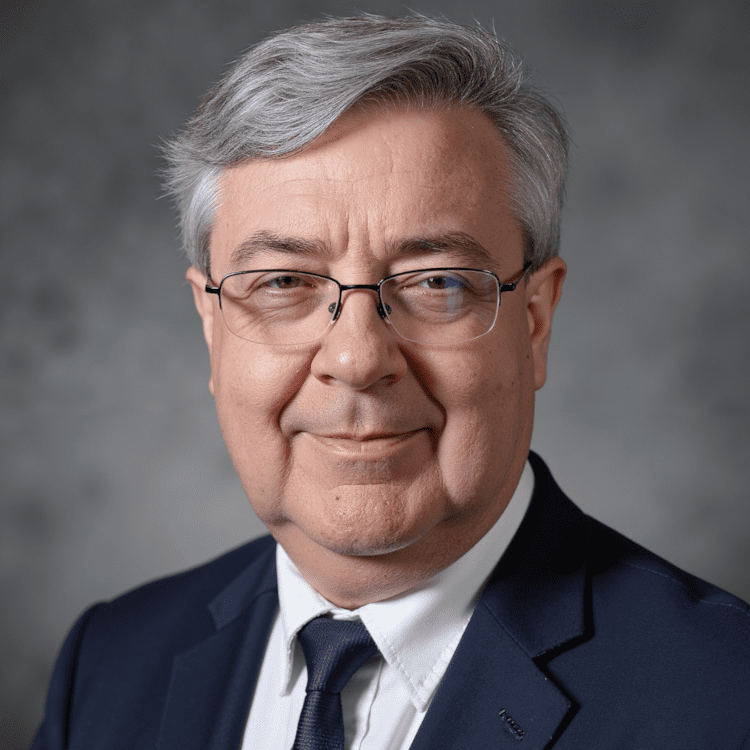
Dr. Curt Watke is a distinguished missiologist whose three-plus-decade-long career has significantly impacted Christian mission work in North America, particularly in under-reached and challenging regions. Holding a Ph.D. in Evangelism and Missions, Dr. Watke has focused on bridging cultural gaps and fostering sustainable Christian communities by developing innovative strategies that address contemporary challenges like globalization, urbanization, and religious pluralism. His emphasis on cultural sensitivity and contextualization in mission work is reflected in his collaborative writings, including notable works such as “Ministry Context Exploration: Understanding North American Cultures” and “Starting Reproducing Congregations.” Beyond his writing, Dr. Watke is a sought-after speaker and educator, lecturing at seminaries and conferences worldwide, and his teachings continue to inspire and equip new generations of missional leaders. His enduring legacy is marked by unwavering dedication to the mission of God and a profound influence on missional thought and practice. Dr. Watke serves as President and Professor of Evangelism & Missiology at Missional University.