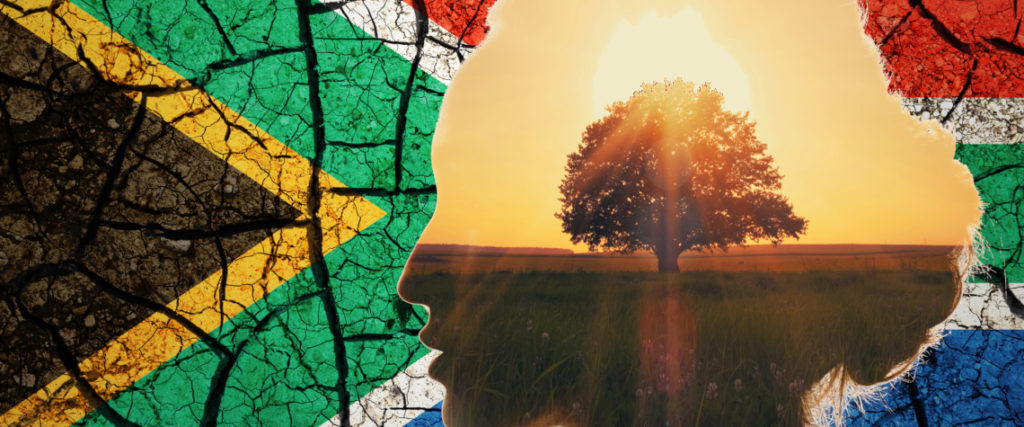
Mental health challenges in South Africa represent a critical yet often overlooked social issue. Despite the prevalence of mental health disorders, societal stigma and cultural barriers significantly impede individuals from seeking the help they need. As Christians participating in God’s mission (Missio Dei), we are called to engage in community care, offering support and compassion to those facing mental health challenges. This article explores the stigma surrounding mental health in South Africa, examines the limitations of current healthcare resources, and proposes innovative, community-based approaches to provide support.
Understanding Mental Health Stigma in South Africa
Stigma surrounding mental health in South Africa is deeply rooted in cultural beliefs and societal attitudes. Many individuals perceive mental illness as a sign of personal weakness or spiritual affliction, leading to discrimination and social exclusion. This stigma discourages open discussions about mental health and prevents individuals from seeking professional help. A study published in BMC Psychiatry highlights that psychiatric stigma is perpetuated by family members, friends, employers, community members, and even healthcare providers, leading to delays in help-seeking and worsening health outcomes for those affected.
Cultural Barriers to Seeking Help
In many South African communities, traditional beliefs attribute mental illness to supernatural causes, such as ancestral displeasure or witchcraft. As a result, individuals often turn to traditional healers before considering medical interventions. While traditional healing practices are integral to cultural identity, reliance solely on these methods can delay access to effective medical treatments. Research indicates that families may first consult traditional healers, and only seek psychiatric care if these interventions fail, leading to significant delays in receiving appropriate care.
Healthcare Limitations and Resource Scarcity
South Africa’s healthcare system faces numerous challenges, including a shortage of mental health professionals, limited infrastructure, and inadequate funding. These limitations result in insufficient access to mental health services, particularly in rural areas. The integration of mental health services into primary healthcare is still in progress, and the existing stigma within healthcare settings further discourages individuals from seeking help. A study on barriers to accessing mental health care in the Eastern Cape Province found that stigmatization by healthcare professionals and a lack of secluded spaces for consultations deter individuals from utilizing available services.
Innovative Approaches to Mental Health Support
To address these challenges, community-based interventions that are culturally sensitive and accessible are essential. One promising model is the Community Oriented Substance Use Programme (Cosup) in Pretoria, which provides long-term methadone maintenance therapy alongside counseling, health screening, and job support. This holistic approach has shown promising results, with 70% of participants remaining in the program six months after starting.
Additionally, initiatives like the Cape Town International Kite Festival raise awareness for mental health through community engagement. By creating safe spaces for open dialogue and support, such events help destigmatize mental health issues and encourage individuals to seek help.
The Role of Christians in Community Care
As followers of Christ, we are called to love our neighbors and care for the vulnerable. The Bible emphasizes compassion and support for those in need:
- Galatians 6:2: “Carry each other’s burdens, and in this way you will fulfill the law of Christ.”
- Matthew 25:40: “Truly I tell you, whatever you did for one of the least of these brothers and sisters of mine, you did for me.”
Engaging in community care involves providing support and empathy, fostering community development through collaborative initiatives, and offering emotional encouragement and resources to those facing mental health challenges. By prioritizing the needs of vulnerable individuals, we can help them overcome social vulnerabilities and experience God’s love in tangible ways.
Practical Steps for Christians
- Educate Ourselves and Others: Learn about mental health issues and the impact of stigma. Share this knowledge within our communities to promote understanding and acceptance.
- Create Supportive Environments: Establish support groups within churches and communities where individuals can share their experiences without fear of judgment.
- Collaborate with Mental Health Professionals: Partner with mental health practitioners to provide workshops and counseling services that are culturally sensitive and accessible.
- Advocate for Policy Changes: Support initiatives that aim to improve mental health services and reduce stigma at the local and national levels.
- Offer Practical Assistance: Assist individuals in accessing mental health services, whether through providing transportation, accompanying them to appointments, or helping them navigate healthcare systems.
Conclusion
Addressing mental health challenges in South Africa requires a collective effort to break down stigma and provide accessible support. As Christians, we have a vital role in God’s mission to care for the vulnerable and promote healing within our communities. By embracing community care and implementing practical, compassionate strategies, we can make a meaningful difference in the lives of those affected by mental health issues.
Sources
- Egbe, C. O., Brooke-Sumner, C., et al. (2014). Psychiatric stigma and discrimination in South Africa: perspectives from key stakeholders. BMC Psychiatry, 14, 191. Link
- Schierenbeck, I. (2013). Barriers to accessing and receiving mental health care in Eastern Cape, South Africa. Link
- “Overcoming Stigma around Mental Health in South Africa.” Health Mag, June 16, 2023. Link
- “How to escape the ‘heroin hustle’: the project helping South African addicts.” The Guardian, September 13, 2024. [Link](https://www.theguardian.com/global-development/2024/sep/

Liezl Erlank is a dynamic professional with extensive experience and a strong educational background, particularly in the realm of missional work. Her career began with a foundation in communication and theology, earning degrees in Communication Science, Film and Visual Studies, and Practical Theology. Liezl’s missional journey is highlighted by her roles in youth ministry, leadership at a Christian radio network and a Christian magazine in South Africa, where she managed operations, team leadership, online marketing, and content development. Her dedication to youth ministry, education, and Christian media underscores her passion for serving communities and spreading the Christian message. Fluent in English and Afrikaans, Liezl’s proactive mindset, leadership skills, and commitment to continuous learning have enabled her to make a significant impact in her various roles, reflecting her dedication to excellence and meaningful contribution to mission work.