
Relating Missional Strengths to Personal Calling in Representational Sentness
As image-bearers of God, we are called to reflect His nature in all aspects of life, including creativity and cultural expression. Our mission is not just confined to the church but extends into every sphere of human engagement—from media and digital arts to music, theatre, and technology. This missional calling is embedded in what we call “representational sentness”—our role as representatives of God in the world. Through culture care, believers can participate in God’s redemptive mission, using creative expressions to cultivate beauty, truth, and goodness in society.
The Theological Foundation of Culture Care
Created in the Image of God
Genesis 1:27-28 affirms that human beings are created in the image of God, granting them a unique capacity for creativity, intellect, and cultural formation. This divine imprint means that all human endeavors, including artistic and technological creativity, can serve as an expression of God’s nature. As sub-creators under God, we are called to cultivate and steward culture, shaping it in ways that reflect His glory.
The Impact of the Fall on Cultural Expressions
While all human cultures carry reflections of God’s common grace, they are also impacted by sin (Romans 3:23). The Lausanne Covenant (para. 10) acknowledges that cultural expressions can either honor God or be tainted by sin. Thus, believers must exercise discernment, ensuring that their creative works align with biblical truth and redemptive purpose rather than being shaped solely by worldly values.
The Role of Believers in Culture Care
Creativity as a Missional Strength
Believers are called to engage in cultural creation and transformation through their God-given creative abilities. This means utilizing various artistic and technological forms to communicate truth, inspire beauty, and bring light into dark places. Creativity, when rooted in biblical values, becomes a means of witnessing to God’s redemptive plan for humanity.
Communicating God’s Truth Through Media and Digital Arts
The Power of Storytelling in Media
Media, whether through journalism, digital content creation, or filmmaking, is a powerful tool for shaping narratives and influencing society. Christian creatives working in these fields have the opportunity to craft stories that reflect biblical values, challenge cultural assumptions, and inspire transformation. For example, filmmakers can produce faith-based content that resonates with both believers and non-believers, engaging audiences in deep spiritual reflection.
Digital Visual Arts: A New Canvas for the Gospel
Digital art, graphic design, and social media are contemporary platforms through which believers can share messages of hope and redemption. By creating visually compelling and biblically inspired content, artists can communicate deep theological truths in ways that transcend language barriers and cultural boundaries.
Music and Ethnodoxology: Worshiping God in Every Culture
The Power of Music in Cultural Engagement
Music is a universal language that has the ability to touch hearts and minds across cultures. Believers engaged in music ministry, ethnomusicology, and ethnodoxology can use their talents to create worship expressions that reflect the diversity of God’s people. Ethnodoxology, in particular, emphasizes the contextualization of worship music within various cultural traditions, ensuring that worship is both biblically faithful and culturally relevant.
Bringing Healing Through Music
Music has the power to bring healing and restoration to broken communities. Christian musicians can use their gifts to write songs that speak to issues of justice, reconciliation, and hope, providing a voice for the marginalized and pointing people to Christ.
Theatre and Film: The Dramatic Representation of Truth
Theatre as a Tool for Gospel Communication
Theatre, with its rich tradition of storytelling and dramatic expression, serves as an impactful medium for conveying biblical themes and moral truths. Christian playwrights, actors, and directors can use their craft to stage productions that explore spiritual questions, challenge societal norms, and offer hope through Christ-centered narratives.
Film as a Cultural Influencer
In an age dominated by visual storytelling, Christian filmmakers have a crucial role in shaping cultural discourse. By producing films that explore themes of redemption, grace, and the human condition, they can engage audiences in meaningful conversations about faith and truth.
Digital Information Technologies: Engaging the World Through Innovation
The Ethical Stewardship of Technology
Technology, when used ethically and responsibly, can be a tool for advancing God’s mission. From software development to artificial intelligence, Christian technologists can create digital solutions that promote justice, enhance communication, and provide access to biblical resources.
Spreading the Gospel Through Digital Platforms
With the rise of digital evangelism, believers can leverage technology to spread the gospel globally. Christian bloggers, podcasters, and social media influencers can use their platforms to share biblical insights, disciple others, and foster online faith communities.
Practical Steps for Believers in Culture Care
- Recognize Your Calling – Understand that your creative talents are a gift from God, meant to be used for His glory.
- Cultivate Excellence – Strive for excellence in your craft, ensuring that your work reflects the beauty and truth of God.
- Engage with Culture Thoughtfully – Be discerning about the cultural narratives you consume and create, aligning them with biblical values.
- Build Collaborative Communities – Connect with other Christian creatives to encourage, support, and sharpen one another.
- Seek the Holy Spirit’s Guidance – Pray for wisdom and inspiration as you use your gifts to impact the world for Christ.
Conclusion: Joining God’s Mission Through Culture Care
As believers, we are called to be ambassadors of Christ (2 Corinthians 5:20), representing His truth and love in every sphere of culture. Whether through media, music, theatre, or technology, we have the opportunity to shape society in ways that reflect God’s redemptive purposes. By embracing our personal calling in representational sentness, we can participate in God’s mission, cultivating a world where beauty, goodness, and truth flourish for His glory. By embracing our role as culture makers, we join in the mission of God, reflecting His image and bringing light to the world through our creative expressions.
Sources
- The Lausanne Covenant, para. 10., Lausanne Movement.
- The Bible: Genesis 1:27-28, Romans 3:23, 2 Corinthians 5:20.
- Begbie, J. (2007). Resounding Truth: Christian Wisdom in the World of Music. Baker Academic.
- Crouch, A. (2023). Culture Making: Recovering Our Creative Calling. IVP; Enlarged/Expanded, Expanded edition
- Fujimura, M. (2017) Culture Care: Reconnecting with Beauty for Our Common Life. InterVarsity Press
- Wright, N.T. (2018) Surprised by Hope: Rethinking Heaven, the Resurrection, and the Mission of the Church. HarperOne
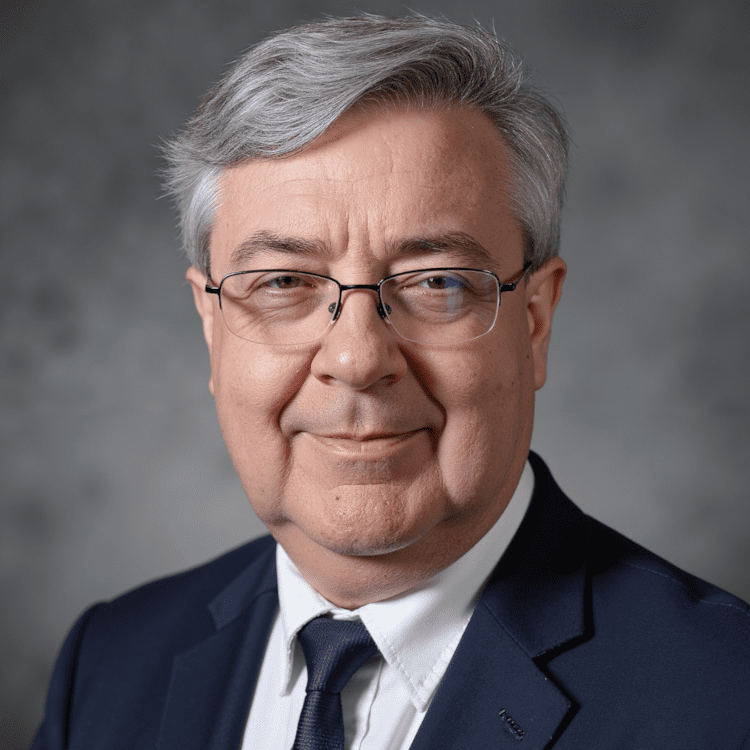
Dr. Curt Watke is a distinguished missiologist whose three-plus-decade-long career has significantly impacted Christian mission work in North America, particularly in under-reached and challenging regions. Holding a Ph.D. in Evangelism and Missions, Dr. Watke has focused on bridging cultural gaps and fostering sustainable Christian communities by developing innovative strategies that address contemporary challenges like globalization, urbanization, and religious pluralism. His emphasis on cultural sensitivity and contextualization in mission work is reflected in his collaborative writings, including notable works such as “Ministry Context Exploration: Understanding North American Cultures” and “Starting Reproducing Congregations.” Beyond his writing, Dr. Watke is a sought-after speaker and educator, lecturing at seminaries and conferences worldwide, and his teachings continue to inspire and equip new generations of missional leaders. His enduring legacy is marked by unwavering dedication to the mission of God and a profound influence on missional thought and practice. Dr. Watke serves as President and Professor of Evangelism & Missiology at Missional University.