
Addressing Soul-Deep Wounds Across Cultures
In a world marked by division, conflict, and spiritual disorientation, the call to participate in God’s redemptive mission has never been more urgent. The human soul, bearing the divine image yet fractured by sin, cries out for healing that transcends cultural, religious, and geographic boundaries. Redemptive Care offers a biblically grounded framework for addressing these soul-deep wounds. This approach recognizes the universal spiritual vulnerabilities of humanity while honoring the cultural particularities that shape individual and communal identities. By engaging in God’s mission—the Missio Dei—believers can foster authentic spiritual conversations in diverse and increasingly secularized contexts, contributing to the restoration of individuals, communities, and creation itself.
This article explores how diverse spiritual vulnerabilities manifest across different cultural and religious contexts worldwide. Drawing on the concept of the soul’s spiritual anatomy, it examines how Redemptive Care practitioners engage meaningfully with people from various faith traditions and the religiously unaffiliated in South Africa and other global contexts. The post demonstrates how participation in God’s redemptive mission requires understanding these universal spiritual dynamics while respecting cultural particularity. Through case studies from multiple continents, it shows how this approach has fostered authentic spiritual conversations in increasingly secularized and religiously diverse environments.
Understanding the Soul’s Spiritual Anatomy
Redemptive care is grounded in a biblical understanding of the soul’s spiritual anatomy and its profound need for redemption. The human soul—the totality of a person’s inner life encompassing mind, will, emotions, and spirit—exists in a state of brokenness that requires divine intervention. This spiritual anatomy includes:
- The Corrupted Image: While humans bear God’s image (Genesis 1:27), sin has distorted this image. The soul retains divine fingerprints but is marred by fallenness, creating an internal disintegration that affects every dimension of being.
- The Wounded Will: The human will is not merely weakened but actively bent away from God (Romans 3:10-12). This spiritual condition creates a profound inability to choose godliness without divine grace intervening.
- Disordered Desires: The soul’s affections and desires have become disordered (James 4:1-3), causing humans to love what they should not and to not love what they should, including God himself.
- Darkened Understanding: Sin has clouded human perception and understanding (Ephesians 4:18), making spiritual realities opaque and creating barriers to recognizing truth.
- Relational Fracturing: The soul experiences fracturing in four fundamental relationships—with God, self, others, and creation—resulting in alienation where there should be harmony.
Redemptive Care, rooted in this gospel truth, seeks to address these soul-deep wounds by participating in God’s redemptive mission, offering comprehensive deliverance that restores identity in Christ (2 Corinthians 5:17).
The Need for Total Redemption
This spiritual anatomy underscores the need for total redemption. The soul’s condition is not one of minor impairment but of comprehensive fallenness, requiring the transformative power of Christ’s atoning work (Colossians 1:13-14). As Titus 3:4-5 affirms, salvation comes not by human effort but by God’s mercy, moving the soul from spiritual death to life (Ephesians 2:1-5).
The soul’s condition highlights why Redemptive Care must center on the gospel of Jesus Christ. The soul lacks the capacity for self-restoration; it cannot heal itself, necessitating external intervention through Christ’s atoning work. This total redemption is not merely about addressing isolated moral failures but about comprehensive deliverance from sin’s entire ecosystem, attacking the root system rather than pruning visible manifestations. Furthermore, Christ’s redemptive work extends beyond individual souls to the redemption of cultural patterns and systems, allowing for cultural particularity within the unity of the body of Christ (Revelation 7:9-10).
Redemptive Care: Participating in the Missio Dei
Redemptive Care is a holistic approach to caregiving that views every act of care as participation in the Missio Dei—God’s mission to redeem and restore all creation. Unlike secular caregiving models that focus solely on immediate needs, Redemptive Care recognizes the transformative potential of care to contribute to the healing of individuals and communities. This approach equips believers to engage meaningfully with people from diverse faith traditions and the religiously unaffiliated, fostering spiritual conversations that honor cultural particularity while addressing universal spiritual needs through a gospel-centered witness.
The Missio Dei reframes mission as God’s initiative, inviting believers to join His ongoing work. As explained in a Missional Loft article, the Missio Dei is God’s story of redemption, bridging the divide caused by sin between humanity and Himself (Missio Dei). Revelation 7:9-10 envisions a redeemed multitude from every nation, tribe, people, and language, reflecting the cultural redemption inherent in Christ’s work. Redemptive Care practitioners, therefore, approach caregiving with a dual commitment: to meet tangible needs and to point toward the ultimate healing found in Christ, breaking the confederacies of sin that bind individuals and systems.
Redemptive Relationships in Community Ministry
Missional University’s School of Community Ministry emphasizes serving diverse social needs in the context of redemptive relationships. This involves demonstrating God’s love and compassion while addressing health, social, and economic challenges. By fostering redemptive relationships, practitioners create spaces where spiritual conversations can flourish, addressing the soul’s relational fracturing and pointing to the hope of reconciliation in Christ.
Global Spiritual Vulnerabilities and Cultural Contexts
Spiritual vulnerabilities manifest differently across cultural and religious contexts, yet their root lies in the soul’s universal brokenness. In South Africa, the legacy of apartheid has left deep wounds of racial division and economic inequality, compounding spiritual alienation. Practitioners of Redemptive Care in this context engage with communities through trauma-informed care, addressing both personal and systemic fractures while pointing to Christ’s reconciling power. In India, where religious pluralism shapes daily life, inter-religious dialogue becomes a vital avenue for soul care, respectfully engaging Hindu, Muslim, and Sikh neighbors while sharing the hope of the gospel.
In secularized contexts like Western Europe, where atheism and agnosticism are prevalent, Redemptive Care practitioners navigate environments skeptical of spiritual claims. Here, authentic relationships and acts of service—such as providing food security or mental health support—open doors for spiritual conversations. For example, a London-based initiative involves believers offering vocational training to immigrants, fostering trust and creating opportunities to discuss faith in a culturally sensitive manner. Across these diverse settings, Redemptive Care respects cultural particularity while addressing the soul’s universal need for redemption.
Cultural Particularity and Universal Needs
The Missio Dei acknowledges the challenges of mission in different cultural settings, particularly the historical association of mission with colonization (Missio Dei). Redemptive Care practitioners must navigate these sensitivities, ensuring that their approach does not suppress cultural expressions but celebrates them as part of God’s diverse creation. By studying worldviews and their transitions, practitioners develop strategies for spiritual growth that are contextualized to each culture.
The Role of Individuals in God’s Mission
Every Christian is called to participate in the Missio Dei, merging faith, career, and mission to advance God’s redemptive purposes. This calling manifests through various expressions of mission, each offering unique opportunities to practice Redemptive Care and address global spiritual vulnerabilities. By integrating their faith into their daily work, believers can embody the hope of Christ’s redemption, addressing the soul’s spiritual anatomy in culturally sensitive ways.
Missional Evangelization
Missional evangelization involves sharing the gospel in culturally relevant ways, emphasizing Christ’s redemptive work. Believers in this sphere—whether teachers, healthcare workers, or entrepreneurs—integrate faith into their vocations, offering care that addresses both physical and spiritual needs. For instance, a nurse in a rural African clinic might provide medical care while praying with patients, pointing to the hope of Christ’s comprehensive deliverance. This approach addresses the darkened understanding that clouds spiritual truths, fostering conversations that lead to faith.
Intercultural Mission
Intercultural mission engages diverse cultural groups within one’s own community, such as immigrant populations. Christians involved in intercultural mission might volunteer at community centers, offering language classes or cultural orientation while building relationships that foster spiritual dialogue. A Canadian believer mentors refugee youth, helping them navigate cultural transitions while sharing biblical stories of God’s care for the marginalized. This work addresses relational fracturing, restoring connections with others and with God.
Immigrant Mission
Immigrant mission focuses specifically on serving displaced populations, who often face spiritual vulnerabilities due to trauma and dislocation. Christians in this field practice Redemptive Care by addressing immediate needs—such as housing or job placement—while offering soul care that restores dignity and hope. This work reflects Christ’s heart for the foreigner (Leviticus 19:34), breaking relational fractures and pointing to the gospel’s power to heal. For example, a practitioner in a European refugee camp provided legal aid while sharing stories of hope, addressing the wounded will that struggles to trust.
Inter-Religious Dialogue
Inter-religious dialogue involves respectful engagement with adherents of other faiths, seeking common ground while sharing the distinctiveness of Christ. Believers in this mission practice Redemptive Care by listening deeply to others’ spiritual journeys, addressing the darkened understanding that clouds perception of truth. In Indonesia, a Christian social worker collaborates on community development projects with Muslim neighbors, building trust that leads to open discussions about faith and redemption. This approach fosters spiritual depth while respecting cultural identities.
Urban Mission
Urban mission addresses the spiritual and social challenges of city life, where secularism, poverty, and diversity intersect. Christians in urban settings practice Redemptive Care by serving in homeless shelters, community gardens, or after-school programs, meeting tangible needs while fostering spiritual conversations. These acts of care dismantle sin’s confederacies, creating spaces where the gospel can take root. A believer in Brazil, for instance, worked as an urban planner to create green spaces, addressing environmental and social fracturing while hosting Bible studies that explored God’s vision for creation care (Genesis 2:15).
By integrating faith and career, believers embody Redemptive Care in their daily lives, addressing the soul’s spiritual anatomy in culturally sensitive ways. This holistic approach not only meets immediate needs but also contributes to the Missio Dei’s ultimate aim: the restoration of all creation.
Table: Mission Types and Their Role in Soul Care
| Mission Type | Primary Focus | Soul Care Contribution | Example Activity |
|---|---|---|---|
| Missional Evangelization | Sharing the gospel in culturally relevant ways | Addresses darkened understanding | Nurse praying with patients |
| Intercultural Mission | Engaging diverse cultural groups locally | Restores relational harmony | Mentoring refugee youth |
| Immigrant Mission | Serving displaced populations | Heals trauma and restores dignity | Providing legal aid to refugees |
| Inter-Religious Dialogue | Engaging other faiths respectfully | Clarifies spiritual truths | Community projects with Muslim neighbors |
| Urban Mission | Addressing urban social and spiritual needs | Dismantles sin’s confederacies | Creating green spaces and hosting Bible studies |
Case Studies in Redemptive Care
Real-world examples illustrate the power of Redemptive Care to address soul-deep wounds across cultures. In South Africa, practitioners work with communities recovering from intergenerational trauma caused by apartheid. By facilitating group counseling sessions grounded in biblical principles of forgiveness (Ephesians 4:32), they help participants process pain and rebuild trust, pointing to Christ’s redemptive power. This approach addresses the relational fracturing and wounded will prevalent in the community, fostering healing through authentic spiritual conversations.
In Brazil, a believer employed as an urban planner collaborated with local residents to create green spaces, addressing environmental and social fracturing. By hosting Bible studies that explored God’s vision for creation care (Genesis 2:15), he connected environmental stewardship with spiritual restoration, engaging the community’s disordered desires and pointing them toward God’s purposes. This initiative demonstrated how Redemptive Care can transform both physical and spiritual landscapes in urban settings.
In Japan, where Shinto and Buddhist traditions dominate, a Christian educator uses storytelling to share biblical narratives with students, sparking curiosity about spiritual truths. By respecting the cultural context and avoiding confrontational approaches, she addresses the darkened understanding that often accompanies religious pluralism, fostering open dialogue about faith. These case studies demonstrate how Redemptive Care fosters authentic spiritual conversations, even in religiously diverse or secularized contexts.
Biblical Foundations for Redemptive Care
The practice of Redemptive Care is deeply rooted in Scripture, which reveals God’s heart for redemption. Colossians 1:13-14 declares that Christ has rescued believers from darkness, redeeming them through His blood. Ephesians 2:1-5 underscores the soul’s journey from death to life, a transformation that Redemptive Care seeks to extend to others. Revelation 7:9-10 envisions a redeemed creation, where cultural diversity is unified in worship, affirming the Missio Dei’s scope. James 4:1-3 and Romans 3:10-12 diagnose the soul’s disordered desires and wounded will, pointing to the need for Christ’s comprehensive deliverance.
These biblical truths anchor Redemptive Care, ensuring that acts of service are not merely humanitarian but missional, participating in God’s redemptive work. By grounding their practice in Scripture, believers offer care that addresses the soul’s total fallenness, pointing to the hope of identity transformation in Christ (2 Corinthians 5:17). The Missio Dei is further supported by Matthew 28:19-20, which commands believers to make disciples of all nations, reflecting the global scope of God’s redemptive mission.
Conclusion: A Call to Action
The spiritual anatomy of the soul reveals a universal need for redemption, transcending cultural and religious boundaries. Redemptive Care, as practiced through Missional University, equips believers to address these soul-deep wounds by participating in the Missio Dei. By merging faith, career, and mission, Christians can engage in missional evangelization, intercultural, immigrant, inter-religious, and urban mission, fostering authentic spiritual conversations in diverse contexts. Grounded in the gospel, Redemptive Care offers comprehensive deliverance, breaking sin’s confederacies and restoring identity in Christ. As believers embrace this calling, they contribute to the global healing envisioned in Revelation 7:9-10, where every nation stands united before the throne of God. Join this mission today by exploring Missional University’s programs and living out your faith in redemptive ways.
Sources
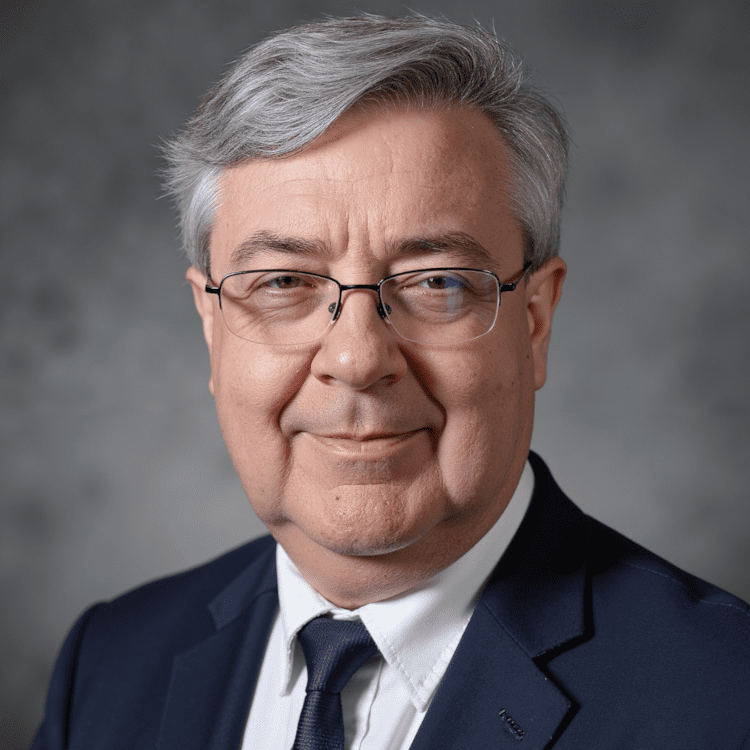
Dr. Curt Watke is a distinguished missiologist whose three-plus-decade-long career has significantly impacted Christian mission work in North America, particularly in under-reached and challenging regions. Holding a Ph.D. in Evangelism and Missions, Dr. Watke has focused on bridging cultural gaps and fostering sustainable Christian communities by developing innovative strategies that address contemporary challenges like globalization, urbanization, and religious pluralism. His emphasis on cultural sensitivity and contextualization in mission work is reflected in his collaborative writings, including notable works such as “Ministry Context Exploration: Understanding North American Cultures” and “Starting Reproducing Congregations.” Beyond his writing, Dr. Watke is a sought-after speaker and educator, lecturing at seminaries and conferences worldwide, and his teachings continue to inspire and equip new generations of missional leaders. His enduring legacy is marked by unwavering dedication to the mission of God and a profound influence on missional thought and practice. Dr. Watke serves as President and Professor of Evangelism & Missiology at Missional University.