Your Smartphone Is a Sanctuary
In a world where over 5.5 billion people—67.9 percent of humanity—are online, social media apps pulse with billions of stories vying for attention. Nearly two-thirds of these individuals spend an average of 2 hours and 21 minutes daily scrolling through platforms, creating a digital bustle that carries God’s mission into new terrain. The Missio Dei, God’s redemptive movement toward all creation, flows through fiber-optic cables and 5G towers as powerfully as it once did through pulpits or printing presses. Yet, a discipleship deficit persists: Barna reports that 39 percent of Christians are not engaged in disciple-making, and only a third actively participate in it. Many feel ill-equipped, intimidated by algorithms, or overwhelmed by the digital noise. This essay reframes media as a gracious tool in God’s hand—and yours—for proclaiming, embodying, and extending the gospel. Drawing from Missional University’s Department of Cultural & Contextual Theology (TCL) and its courses in Theology of Media & Communication, Theology of Storytelling, and Technotheology, we explore four key layers: a theology of media rooted in Scripture, practical tactics for missional communication, cultural engagement through a missional lens, and a biblical theology that ties every post to God’s grand narrative. This is not about the institutional church but about you—whether a student, freelancer, or single adult or parent weaving ministry into daily life—becoming a “digital scribe” (Mt 13:52) in the age of TikTok and AI.
Why Media Matters to the Missio Dei
God is a communicator, from the opening words of Genesis (“And God said…”) to the vivid visions relayed to John in Revelation. The Bible itself is a divine communication event, with Christ as the logos (Jn 1:1) and the Spirit as the divine interpreter (1 Co 2:10-13). Words, images, and symbols form the fabric of revelation, from commandments etched on stone tablets to prophetic oracles and inspired epistles, sanctifying media technology long before Silicon Valley’s innovations. The Great Commission (Mt 28:19-20) presupposes media—teaching disciples across nations requires channels like oral storytelling, letters, codices, radio, or livestreams. Every era has embraced its dominant media: Paul used papyrus scrolls, early missionaries leveraged Roman roads, the Reformation spread through printed pamphlets, and Billy Graham harnessed television. Today, smartphones are the conduit, and rejecting them risks severing the logistical nerve of the Great Commission. Digital spaces are the modern marketplace, akin to the Athenian agora where Paul engaged philosophers (Acts 17). Pew Research reveals that 54 percent of U.S. adults sometimes get news from social media, with even higher usage among Gen Z. For the gospel’s proclamation (kerygma) to remain publicly visible, Christians must intentionally inhabit platforms like Instagram Reels, Discord servers, and AI chatbots.
A Biblical Theology of Communication: From Tablets to TikTok
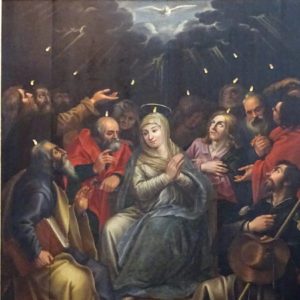
Humanity, created in the imago Dei (Gen 1:26-28), reflects the Communicating God. Adam’s naming of animals (Gen 2:19-20) was an act of linguistic stewardship, a calling echoed in every meme or microblog crafted today. The covenant was recorded by Moses (Ex 24:4) and memorialized by Joshua’s stone monuments (Jos 4:7), preserving Israel’s salvation history because someone chose to “publish.” Today, blogs, podcasts, and YouTube testimonies continue this instinct to archive God’s deeds (Ps 105:1). Prophets like Isaiah and poets like David fused truth and aesthetics, using apocalyptic imagery and lyric psalms to engage their audiences, a model for today’s visual storytelling. TCL’s Theology of Aesthetics course underscores that beauty is apologetic, pointing to the Creator. In the Incarnation, Jesus united message and medium (Jn 1:14), teaching through parables and hillside sermons within his era’s media ecology. Missional communicators must similarly embody authenticity and presence, outshining slick production. Pentecost’s miracle of languages (Acts 2) prefigures today’s algorithmic translations, enabling livestream worship with subtitles or AI-dubbed sermons—an echo of that multilingual launch. Paul’s epistles, circulated among house churches like ancient newsletters, and Revelation’s immersive visuals show that remote communication can foster real discipleship.
Digital Discipleship: Your Calling
Most users passively consume digital feeds, but Scripture calls believers to active roles as “ambassadors” (2 Co 5:20) and “light” (Mt 5:14). Missional University’s Biblical Studies courses, like Advanced Inductive Bible Study Methods, train disciples to interpret Scripture accurately; the digital parallel is curating biblical truth amid misinformation. Start by auditing your digital footprint: who follows you and why, what themes dominate your posts, when you engage or retreat, and where Christ appears in your narrative. Use analytics for missional discernment, not vanity metrics. TCL’s Theology of Storytelling frames narrative as a bridge—on TikTok, a 60-second testimony can reach nations inaccessible by visas, mirroring the Psalms’ confessional tone. Barna notes that 37 percent of Christians feel unequipped to disciple, and 35 percent lack a mentor, but direct messaging offers a low-barrier solution: sending voice notes, Bible-study PDFs, or prayer check-ins, like a modern Paul-to-Timothy exchange. Digital witness also demands rest—Jesus withdrew to pray (Lk 5:16)—so schedule app-free hours, letting your absence testify that worth transcends engagement rates.
Missional Communication Strategies
Effective digital witness follows the REACH framework: address felt needs like loneliness or purpose (Resonance), embed Scripture contextually (Exegesis), share real struggles authentically (Authenticity), invite dialogue or deeper study (Call-to-action), and foster safe comment sections (Hospitality). Different platforms offer unique strengths. Instagram Reels excel in storytelling and visual poetry—use captions for accessibility and end with questions to spark DMs. YouTube supports long-form teaching; batch-record 10-minute playlists on biblical themes with “theology of…” keywords. Podcasts provide depth and intimacy—pair exposition with real-life interviews and cross-promote with show notes. Discord fosters community; host weekly Scripture studies with trained moderators. Substack newsletters link cultural trends to biblical mission, embedding shareable graphics. AI can assist with translations or prompts but requires discernment—three in four parents worry about its impact on kids, so fact-check outputs and prioritize human connection. Measure impact holistically, beyond clicks, by tracking conversions, character growth, and community formation, such as testimonies or mentoring relationships.
| Platform | Missional Strength | Practical Tip |
| Instagram Reels | Storytelling & visual poetry | Use captions for accessibility; end with a question to spark DMs |
| YouTube | Long-form teaching | Batch-record 10-min playlists on biblical themes; optimize titles with “theology of …” keywords |
| Podcasts | Depth & intimacy | Pair biblical exposition with real-life interviews; cross-promote with show notes |
| Discord | Community building | Host weekly Scripture study; appoint moderators trained in pastoral care |
| Substack | Written reflection | Publish newsletters linking cultural trends to biblical mission; embed shareable graphics |
Cultural Engagement: Reading Algorithms, Loving Neighbors
Missional hermeneutics calls us to read both text and context. Scroll your feed like Paul surveyed Athens, spotting digital “altars” to celebrity worship or self-optimization and responding with gospel connections, not condemnation. Pew Research indicates 80 percent of Americans believe religion’s influence is waning, but digital conversations bypass institutional suspicion, offering opportunities for persuasive gentleness (1 Pe 3:15). Gen Z’s disaffiliation has plateaued, with a renewed search for meaning among these digitally native users—a thoughtful meme can reach a skeptical student faster than a sermon. Awisee, Campaign Asia, Geopoll, Globalwebindex highlight soaring social-media use in Africa, Asia, and Latin America, aligning with Missional University’s contextual theologies. Tailor visuals and captions to local languages using verified translators. Digital hospitality moves Jesus’ table fellowship (Lk 15) to platforms like Discord, where “Ask Anything” channels, milestone celebrations, and empathy guidelines create welcoming spaces.
Ethical Presence: Holiness on the Timeline
The ninth commandment applies to retweets—verify quotes, images, and statistics to avoid digital false prophecy (Deut 19). Posting cause ribbons is easy, but moral theology demands action; let digital advocacy flow from real generosity (Jas 2:14-17). Algorithms often commodify desire, so like Joseph fleeing temptation, use accountability apps to set boundaries. Paul’s call to “live at peace with everyone” (Ro 12:18) means de-escalating flame wars and modeling respectful disagreement. Missional University’s Theology of Restorative Justice equips believers to confront online harassment, racism, and inequity, advocating for “just algorithms” that protect vulnerable users and data privacy.
Academic Integration: Missional University’s Contribution
Missional University’s interdisciplinary approach equips digital disciples. The Department of Cultural & Contextual Theology offers courses like Theology of Media & Communication, Theology of Storytelling, and Technotheology, providing frameworks for media discernment and narrative evangelism. Biblical Studies courses, such as Reading OT & NT Missionally, ensure content is grounded in exegesis, avoiding proof-texting. Missional Theology & History courses, like Biblical Theology of Mission, draw lessons from historical media shifts to apply to new technologies. Moral & Social Theology courses, including Theology of Restorative Justice, develop ethical posting guidelines and champion digital justice. Environmental & Scientific Theology engages scientific inquiry from a biblical perspective, ensuring a holistic witness.
| Department | Key Courses | Missional Application |
| Cultural & Contextual Theology | Theology of Media & Communication; Theology of Storytelling; Technotheology | Framework for media discernment, narrative evangelism, and theology of technology |
| Biblical Studies | Reading OT & NT Missionally: Advanced Tools & Methods | Ground content in exegesis; avoid proof-texting; craft nuanced threads |
| Missional Theology & History | Biblical Theology of Mission; History of Missions | Learn from historical media shifts; apply missional hermeneutics to new tech |
| Moral & Social Theology | Moral Theology & Virtue; Theology of Restorative Justice | Develop ethical guidelines for posting; champion digital justice |
| Environmental & Scientific Theology | Theology of Science: Issues in Natural Theology | Inform scientific inquiry with theological concepts |
Practical Next Steps for Digital Missional Christians
Begin by defining your niche, blending passion (e.g., mental health) with gospel hope, using SEO keywords like “Christian anxiety help.” Focus on two primary platforms for sustainability. Craft a content calendar aligned with liturgical seasons or global awareness days, scheduling Sabbath breaks. Invite trusted peers to review posts for theological accuracy and tone. Start mentoring one person online, perhaps through weekly Bible reading via WhatsApp. Measure impact by documenting testimonies or answered prayers, not just likes. Pursue continued learning through Missional University’s Theology of Media & Communication certificate, sharing insights publicly to grow.
Conclusion: Joining the Divine Conversation
God’s mission is a conversation—Father, Son, and Spirit inviting humanity into holy dialogue. In the twenty-first century, that invitation arrives through notifications, livestream chats, and podcast earbuds. As an individual disciple, you are called to steward these channels, narrating grace, answering questions at 1 a.m., and incarnating truth in emojis and essays. Christopher Wright notes, “It is not so much the case that God has a mission for his church in the world as that God has a church for his mission in the world.” Place your smartphone on the altar of that mission. May every swipe draw you closer to the new creation, and every post foreshadow the day when “the earth will be filled with the knowledge of the glory of the Lord as the waters cover the sea” (Hab 2:14).
Sources
- Awisee, Top Social Media Platforms in Latin America: List by Users 2025. April 2025
- Barna Group. Digital Discipleship: Helping Parents Navigate Teen Technology Use. February 2024.
- Barna Group. Are Christians Too Busy for Discipleship? 2024.
- Campaign Asia, Global social media users surpass 5 billion – SEA most active. February 2024.
- DataReportal. Digital 2025: Global Overview Report. January 2025.
- Geopoll, Social Media Vs. Traditional Media in Africa, June 2024.
- GlobalwebIndex. Social Media Statistics for Brands in 2025. February 2025.
- Pew Research Center. Social Media and News Fact Sheet. October 2024.
- Pew Research Center. 8 in 10 Americans Say Religion Is Losing Influence. March 2024.
- Pew Research Center. Americans’ Social Media Use. January 2024.
- Wright, Christopher J.H. The Mission of God. IVP, 2006.
- Bosch, David J. Transforming Mission. Orbis, 1991.
- Goheen, Michael W. A Light to the Nations. Baker Academic, 2011.
- Newbigin, Lesslie. The Open Secret. Eerdmans, 1995.
- Missional University. Department of Cultural & Contextual Theology course syllabi (Theology of Media & Communication; Theology of Storytelling; Technotheology).
- Missional University. Department of Biblical Studies course syllabi (Advanced Tools & Methods of Biblical Studies; Reading the Old Testament Missionally, Reading the New Testament Missionally).

Liezl Erlank is a dynamic professional with extensive experience and a strong educational background, particularly in the realm of missional work. Her career began with a foundation in communication and theology, earning degrees in Communication Science, Film and Visual Studies, and Practical Theology. Liezl’s missional journey is highlighted by her roles in youth ministry, leadership at a Christian radio network and a Christian magazine in South Africa, where she managed operations, team leadership, online marketing, and content development. Her dedication to youth ministry, education, and Christian media underscores her passion for serving communities and spreading the Christian message. Fluent in English and Afrikaans, Liezl’s proactive mindset, leadership skills, and commitment to continuous learning have enabled her to make a significant impact in her various roles, reflecting her dedication to excellence and meaningful contribution to mission work.